
Precision stamped parts – manufactured precisely and flexibly
In sheet metal stamping, contours, openings and defined geometries are separated from or introduced into sheet metal using a stamping tool.
all-forming manufactures stamped components according to technical drawings and CAD data and, where required, combines stamping with other manufacturing processes such as laser cutting, bending, forming or CNC machining.
With in-house toolmaking, stamping tools and fixtures can be adapted to the respective application and manufacturing processes implemented flexibly.
Materials: steel, stainless steel, aluminium, copper and other non-ferrous metals
Material thickness: 0.1 to 6 mm
Surface treatment: according to customer requirements
Your partner for precision stamped parts
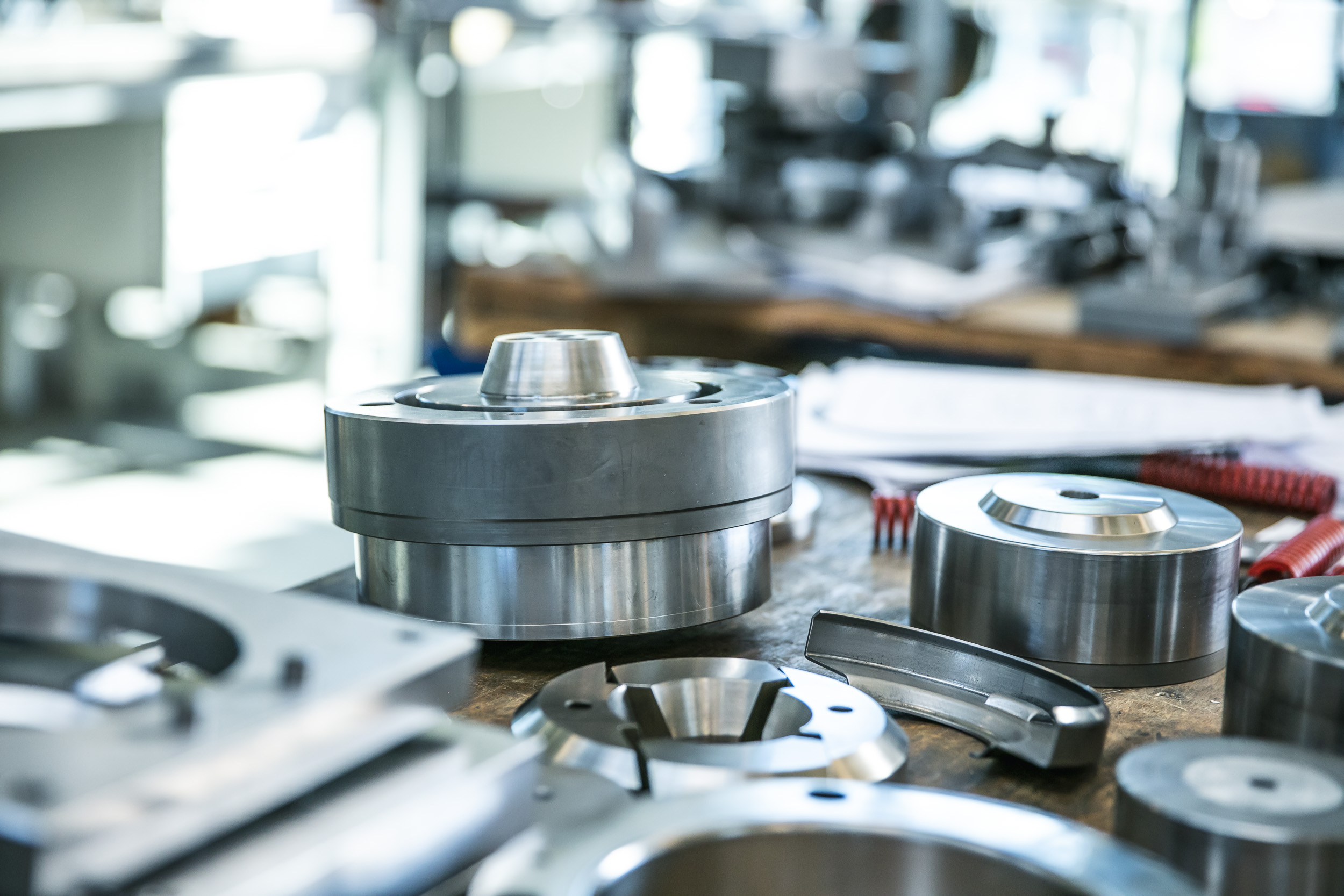
all-forming combines toolmaking, manufacturing and further processing steps into an integrated solution for demanding stamped parts.
From tool design and stamping through to further processing, various manufacturing steps can be coordinated in-house.
Your benefits:
- In-house toolmaking
for stamping tools - High vertical integration
from tool manufacturing to further processing - Complex geometries
including demanding forming contours - Flexible production
for different components and quantities - Short delivery times
through in-house manufacturing and processing - Combined processing
with laser, CNC, welding and assembly - Personal support
from inquiry to finished component
Leading industrial companies trust our stamped parts










Selected projects & stamped parts
Our projects demonstrate the range of sheet metal forming – from simple stamped parts to demanding geometries with subsequent further processing.
- On-time implementation
- Precision stamping patterns
- Flexible quantities
-
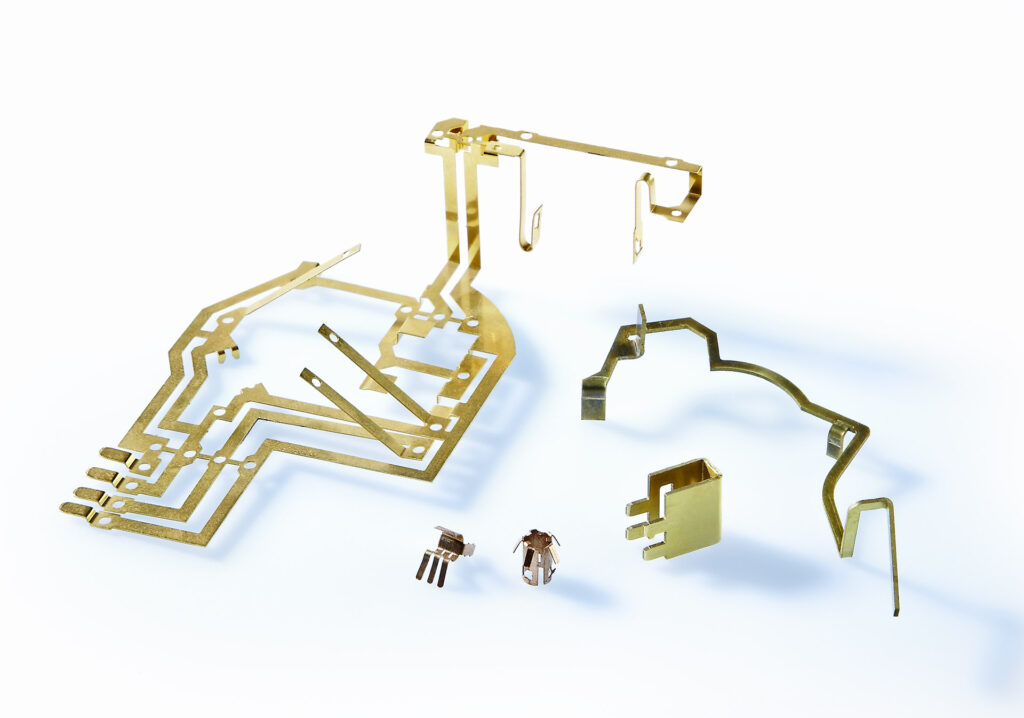
Stamped contact parts made from thin sheet metal
Precisely stamped contact parts and pins made from thin sheet metal serve as highly reliable electrical interfaces in modern electronics. After stamping, the components are often overmoulded with plastic, creating extremely robust plug and connector solutions.
-
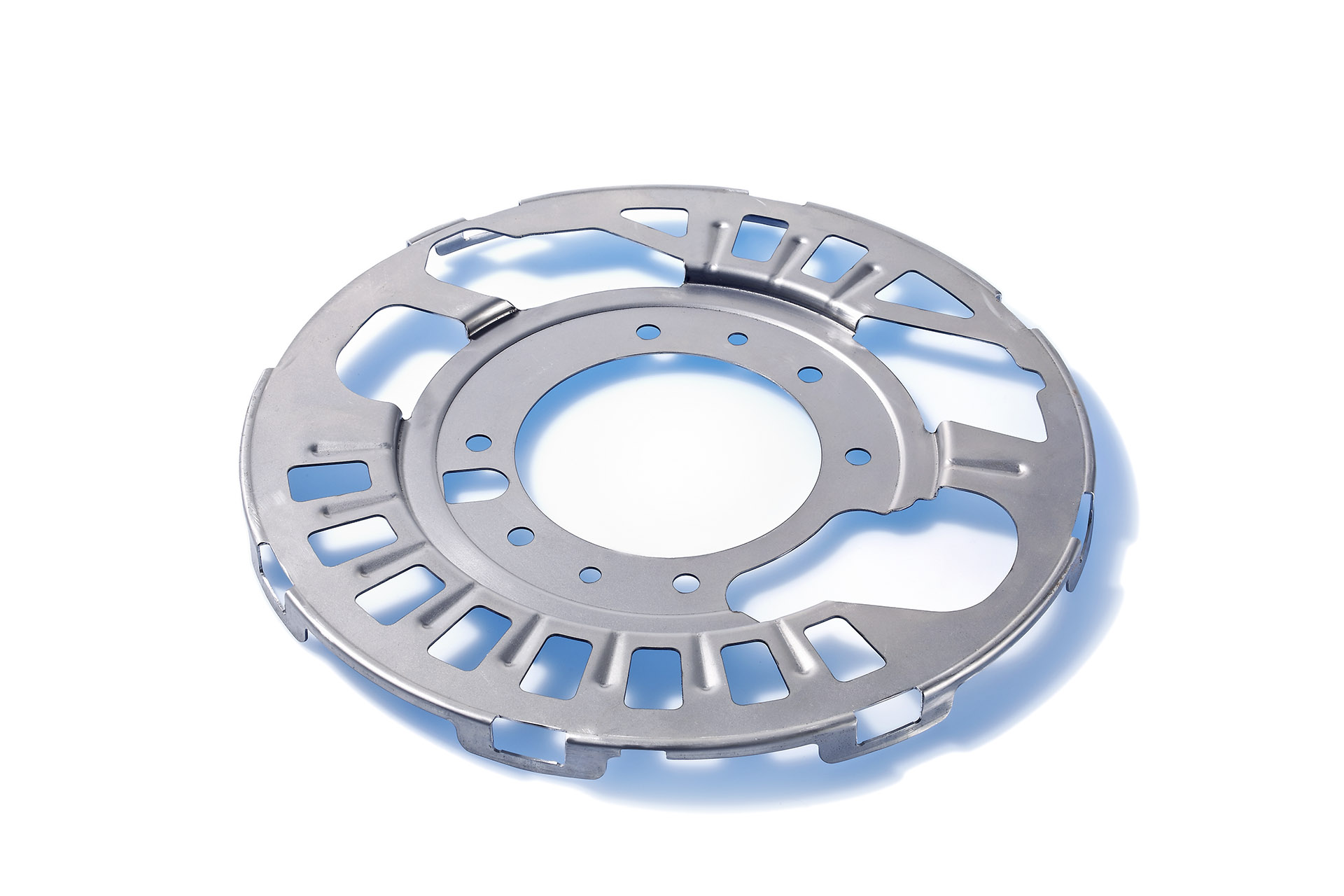
Stamped closure plate
Highly precise stamped closure plates and seal carriers ensure exact sealing and secure assembly of technical components. Thanks to extremely tight manufacturing tolerances in sheet metal stamping, the components easily withstand high mechanical and thermal loads.
-
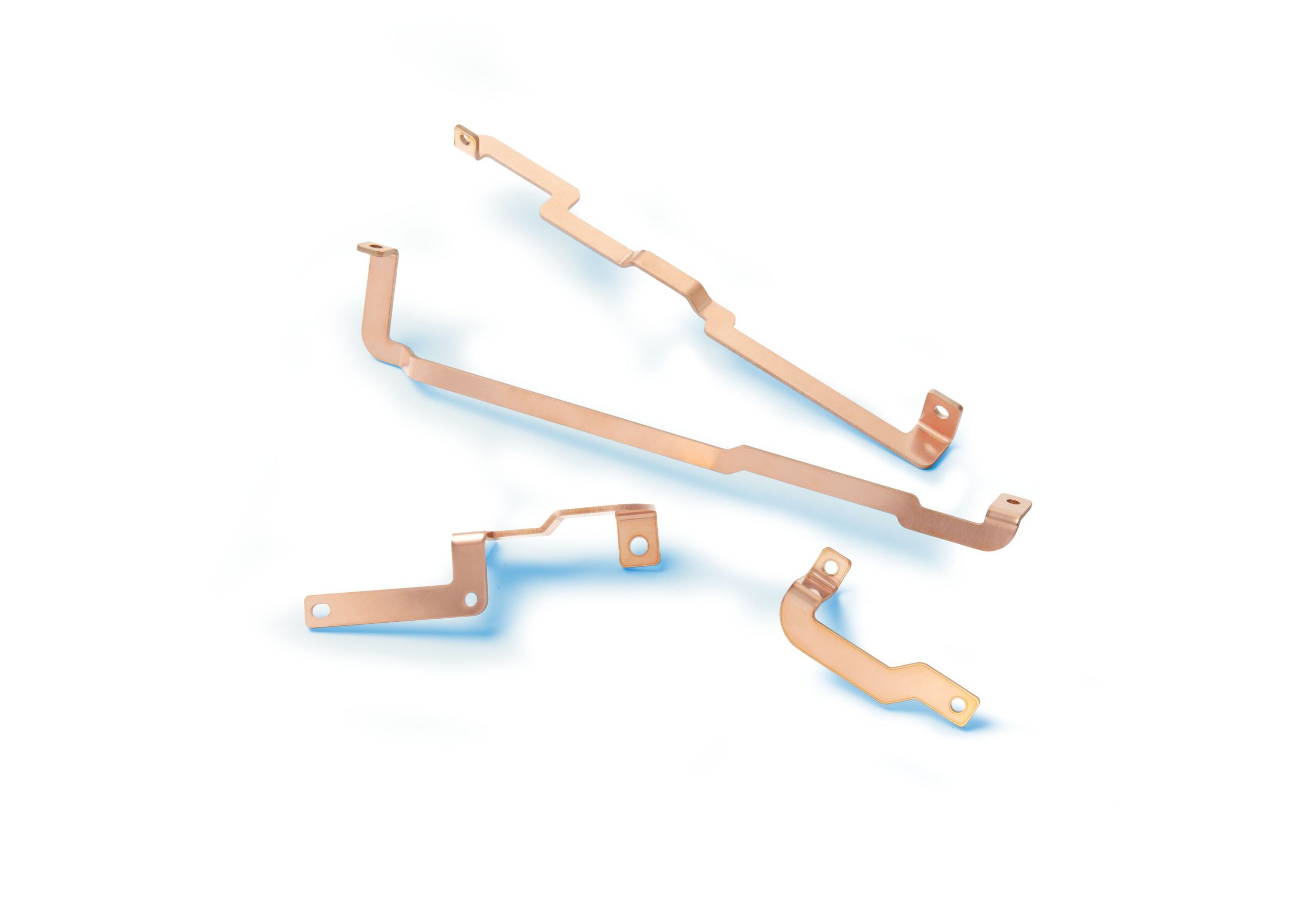
Busbar (stamped)
Stamped and formed busbars made from highly conductive copper ensure low-loss power transmission in modern power electronics. Precise shaping ensures an optimal fit, even in complex installation spaces.
-
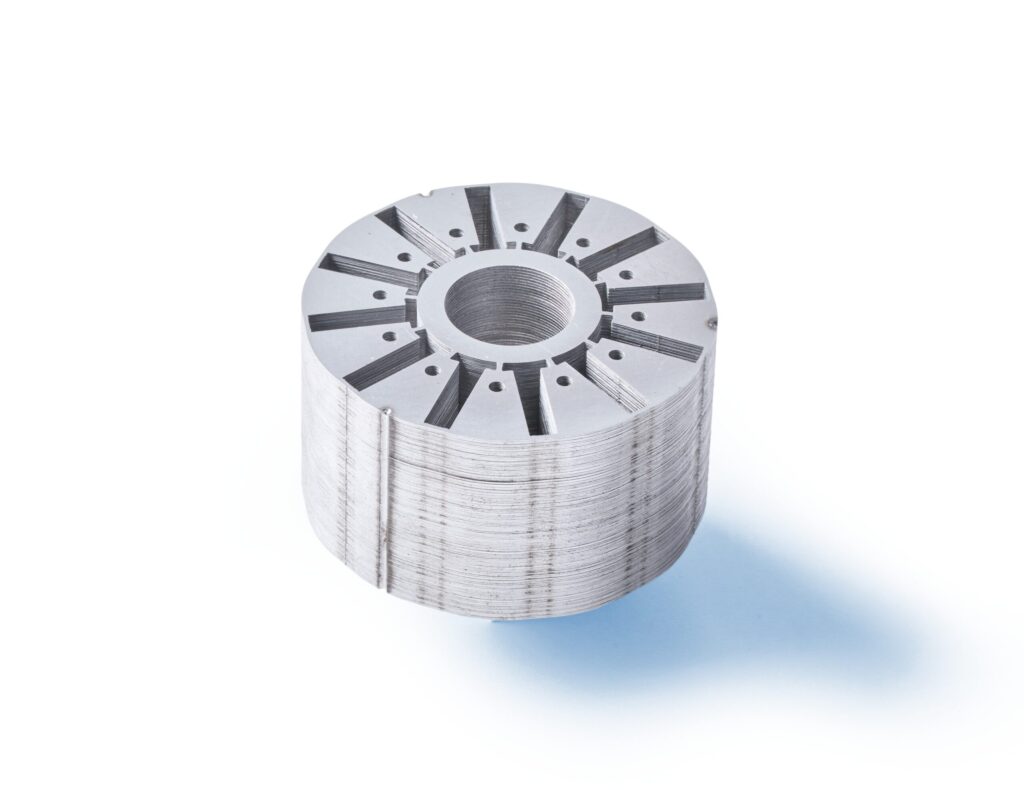
Stamped rotor/stator packs
Multilayer stacked and precisely welded rotor and stator packs stamped from high-quality electrical steel. These assemblies form the core of high-performance electric motors in modern electric mobility.
-
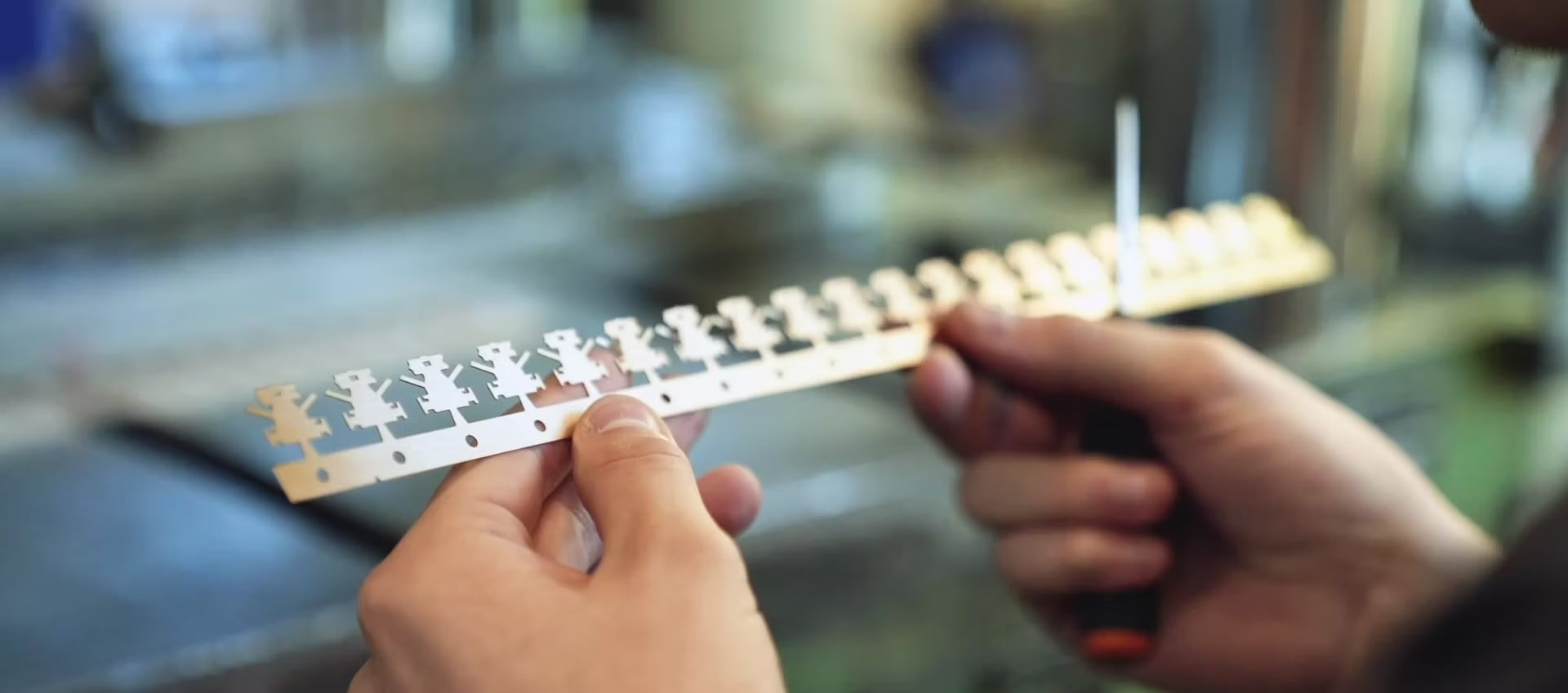
Stamped sheet metal strip
Precisely stamped sheet metal strip with several continuously manufactured metal components for cost-effective small production runs. Production using the progressive die process guarantees maximum repeat accuracy and extremely tight tolerances for high quantities.
-
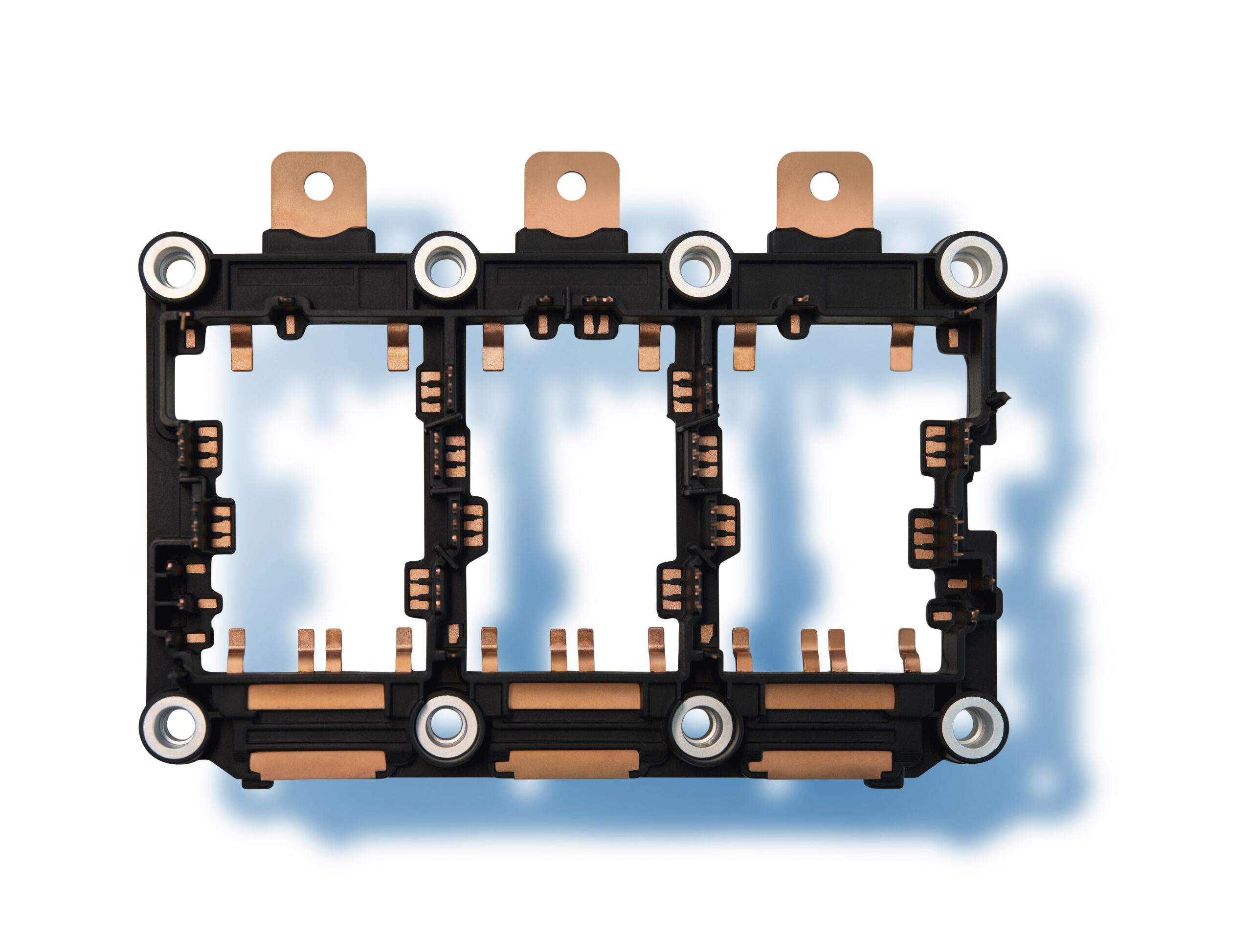
Module frame with stamped sheet metal inserts
Highly precise module frame with stamped, formed and coated busbars and pins, reliably encapsulated with sockets by vacuum casting. The component serves as the basis for subsequent circuit board assembly and thus forms a high-performance control unit.
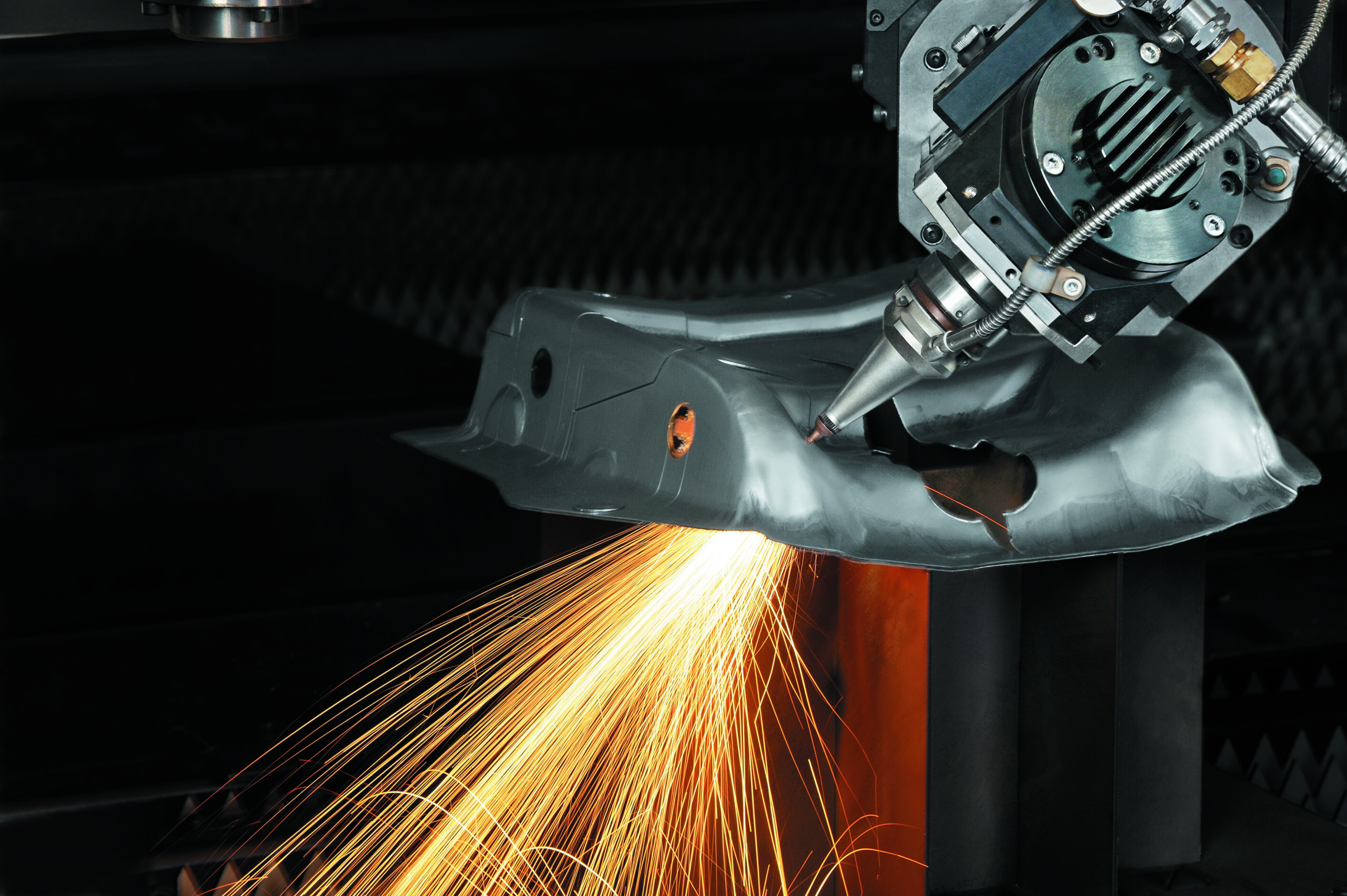
Further manufacturing processes at all-forming – everything from a single source
In addition to sheet metal stamping, all-forming offers a comprehensive range of sheet metal processing, CNC manufacturing and assembly manufacturing.






Frequently asked questions about sheet metal stamping at all-forming (FAQ)
What is meant by sheet metal stamping?
Sheet metal stamping is a cutting and forming process in sheet metal processing in which contours, holes or embossments are introduced into metal sheets using a stamping tool. It is frequently used for series and small production runs.
What advantages does sheet metal stamping offer in prototype manufacturing?
Sheet metal stamping enables cost-effective, fast and precise production of components in prototype manufacturing. Advantages include high repeat accuracy, direct implementation from CAD data and cost-efficient small production runs.
A particular advantage at all-forming is the cost-effective implementation of small production runs that are not attractive for conventional series manufacturers.
Is a special tool required for sheet metal stamping?
Yes, conventional sheet metal stamping generally uses stamping tools or progressive dies. However, these are often expensive and time-consuming.
all-forming works with flexible stamping solutions without conventional progressive dies, resulting in no high tooling costs and significantly shorter delivery times.
What are the advantages of sheet metal stamping without a progressive die?
Dispensing with progressive dies enables:
- high flexibility for prototypes and small production runs
- no high tooling investments
- quick adjustments in the event of changes
- cost-effective production from one unit
- short development and delivery times
Can further processing steps be carried out after stamping?
Yes, at all-forming components can be processed further directly. This includes bending, forming, CNC machining, welding, assembly manufacturing and galvanizing, reducing interfaces and increasing quality assurance.
What is the difference between stamping and laser cutting?
In stamping, material is separated mechanically using tools, whereas laser cutting uses a thermal laser beam. Stamping is particularly cost-effective for larger quantities, while laser cutting offers maximum flexibility for complex geometries.
What tolerances are possible in sheet metal stamping?
The achievable tolerances depend on the material, tool and geometry. Typical values range from ±0.03 mm to ±0.2 mm; even smaller deviations are possible for high-precision applications.
Which materials can all-forming stamp?
In sheet metal stamping, all-forming processes steel, stainless steel, aluminium, copper and copper alloys. Depending on the material and geometry, material thicknesses of approximately 0.1 mm to 6 mm are possible.
How quickly can all-forming deliver sheet metal stamped parts?
Thanks to direct implementation from CAD data, a high level of vertical integration and the use of no progressive dies, all-forming achieves particularly short delivery times. Depending on the material, complexity and quantity, deliveries are possible within a few weeks – both for prototypes and cost-effective small production runs.
How can parts be ordered from all-forming and what does the process involve?
The ordering process at all-forming is simple and efficient – with personal support from the outset:
- From this point, all-forming takes over the entire manufacturing process – from planning to on-time delivery.
- You send us your CAD data (e.g. STEP, DXF) or a technical drawing with all specific requirements (material, coating, quantity).
- Within a very short time, you will receive a non-binding quote from your personal contact.
- After you place your order, you will receive an order confirmation with all relevant details.

