

CNC press braking –
precise bent parts from your CAD data
When sheet metal is bent (press-braked), flat sheets are deliberately bent using a press brake and formed into defined angles and geometries. This produces, for example, housings, brackets, angles, profiles and complex bent parts.
all-forming manufactures bent components according to technical drawings and CAD data and, if required, combines press braking with other manufacturing processes such as laser cutting, punching, forming or CNC machining.
Materials: steel, stainless steel, aluminium, copper and other non-ferrous metals
Material thickness: 0.1 to 6 mm
Surface treatment: according to customer requirements
Your partner for precise bent parts
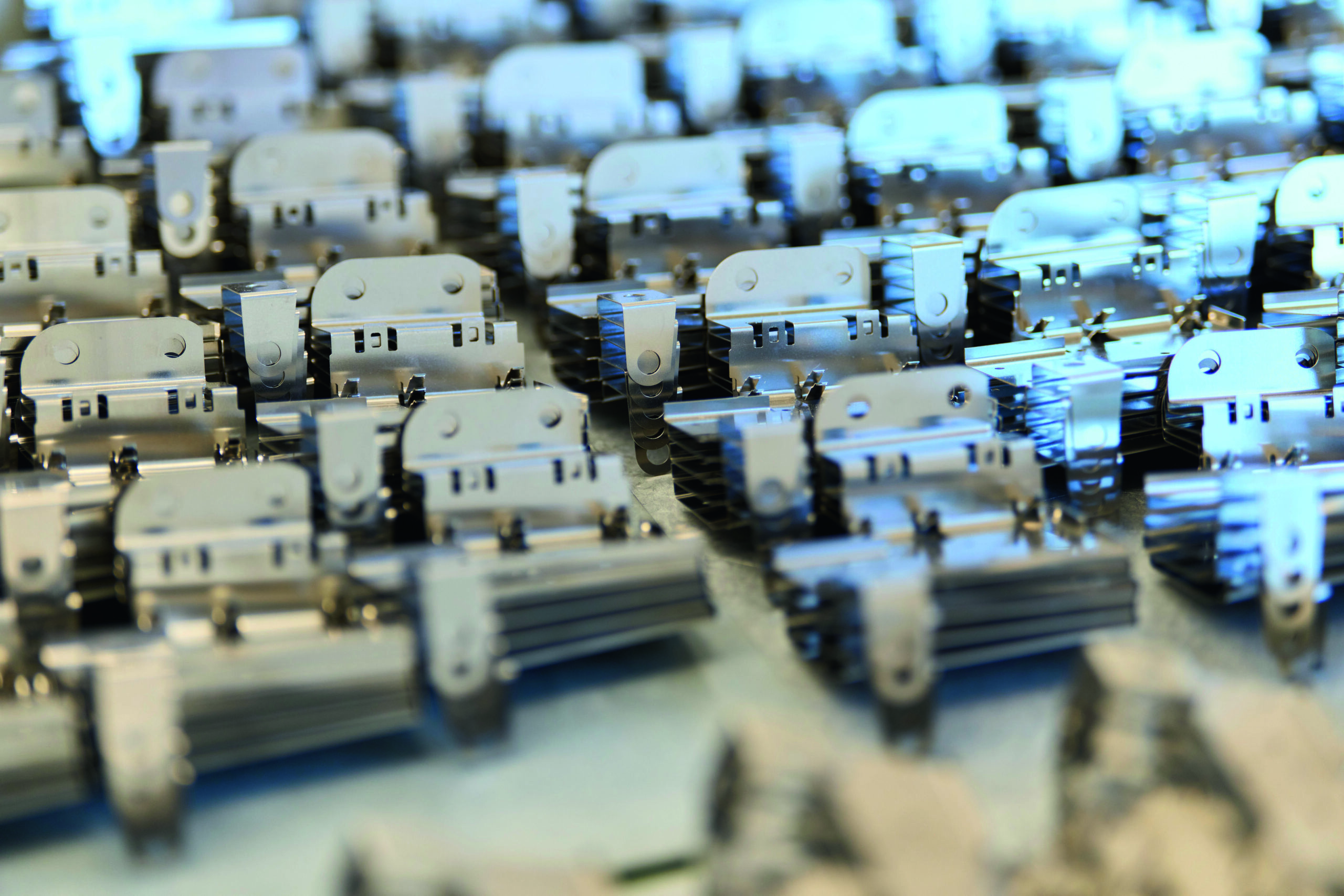
all-forming combines press braking and further processing steps into an integrated solution for demanding bent parts.
Your benefits:
- Cost-effective from a quantity of 1
Production without costly tools - High vertical integration
from press braking to further processing - Complex geometries
even with demanding forming contours - Flexible production
for different components and quantities - Short delivery times
through in-house production and processing - Combined processing
with laser, CNC, welding and assembly - Personal support
from the enquiry to the finished component
Renowned industrial companies rely on our bent parts










Selected projects & bent parts
Our projects demonstrate the diversity of modern sheet metal processing through CNC bending –
from simple bent parts to complex functional assemblies.
- On-time implementation
- Precise bends
- Flexible quantities
-
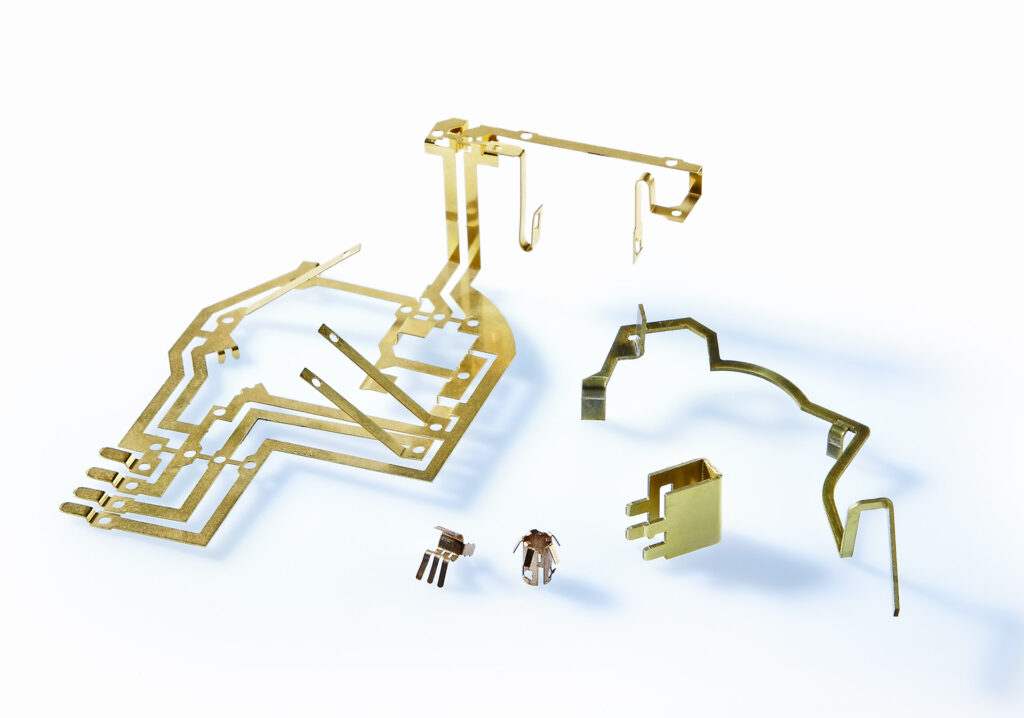
Contact parts made from thin sheet metal (swivel bending)
Precisely manufactured contact parts, pins and conductor strips made from thin sheet metal – produced using laser cutting and swivel bending for connectors, assemblies and electrical systems.
-
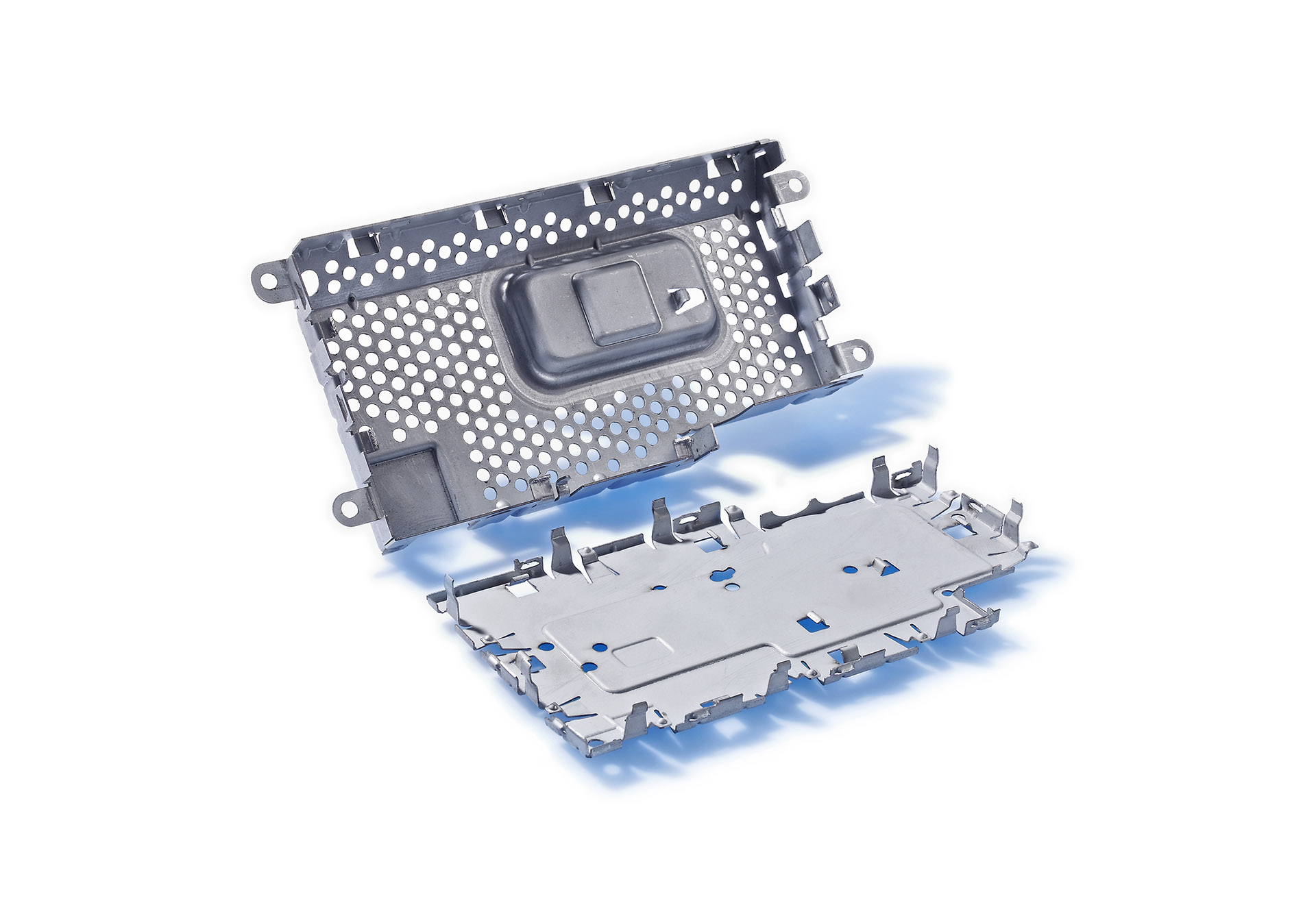
Sheet metal housing (CNC press braking)
Precisely CNC-bent sheet metal housing for protecting electronic and mechanical components – manufactured with high dimensional accuracy for prototypes, small batches and industrial applications.
-
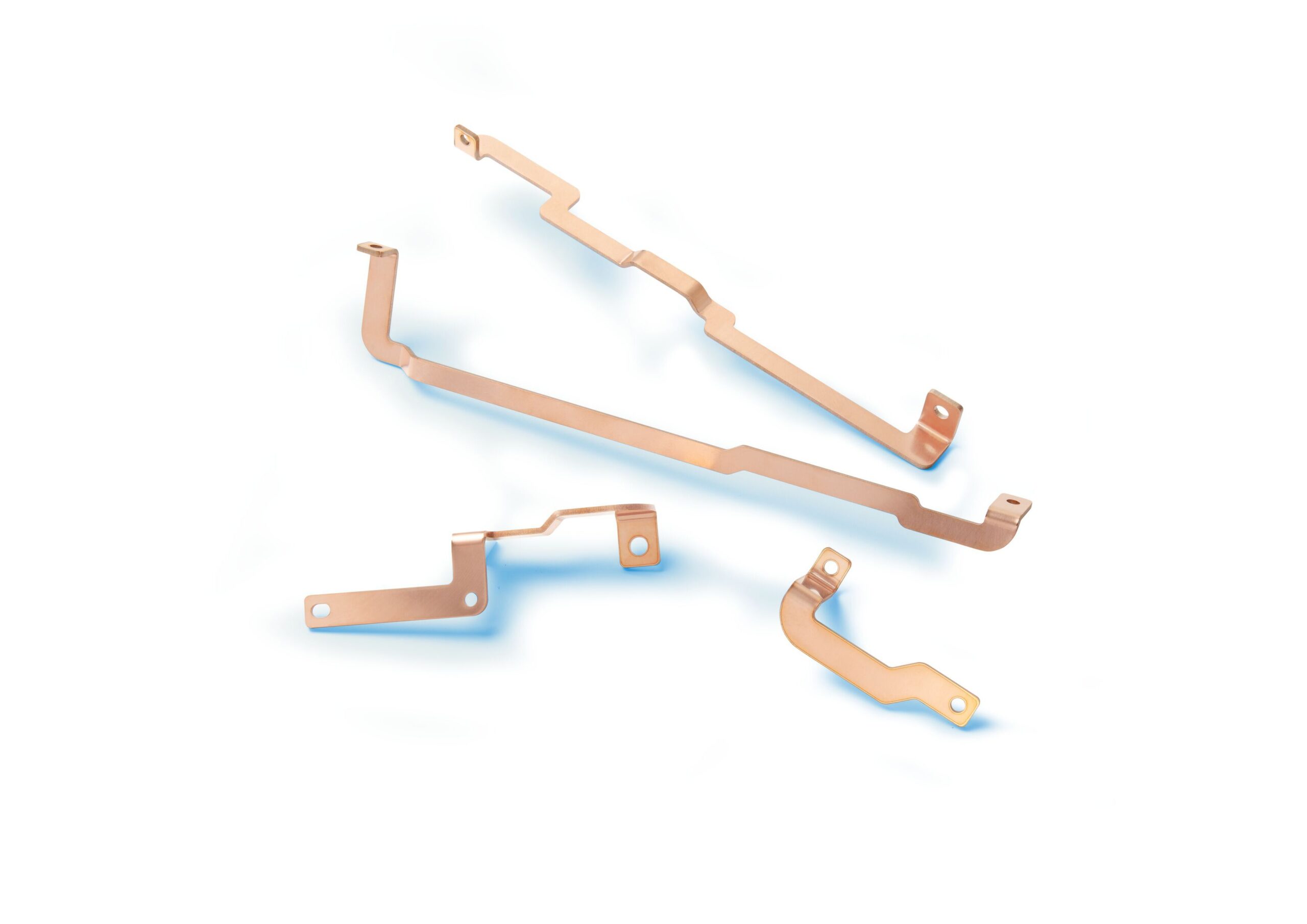
Busbar (CNC bending)
Busbar made from copper or aluminium, bent to precise dimensions – for reliable energy transmission, ideal for electrical engineering, e-mobility and automotive applications.
-
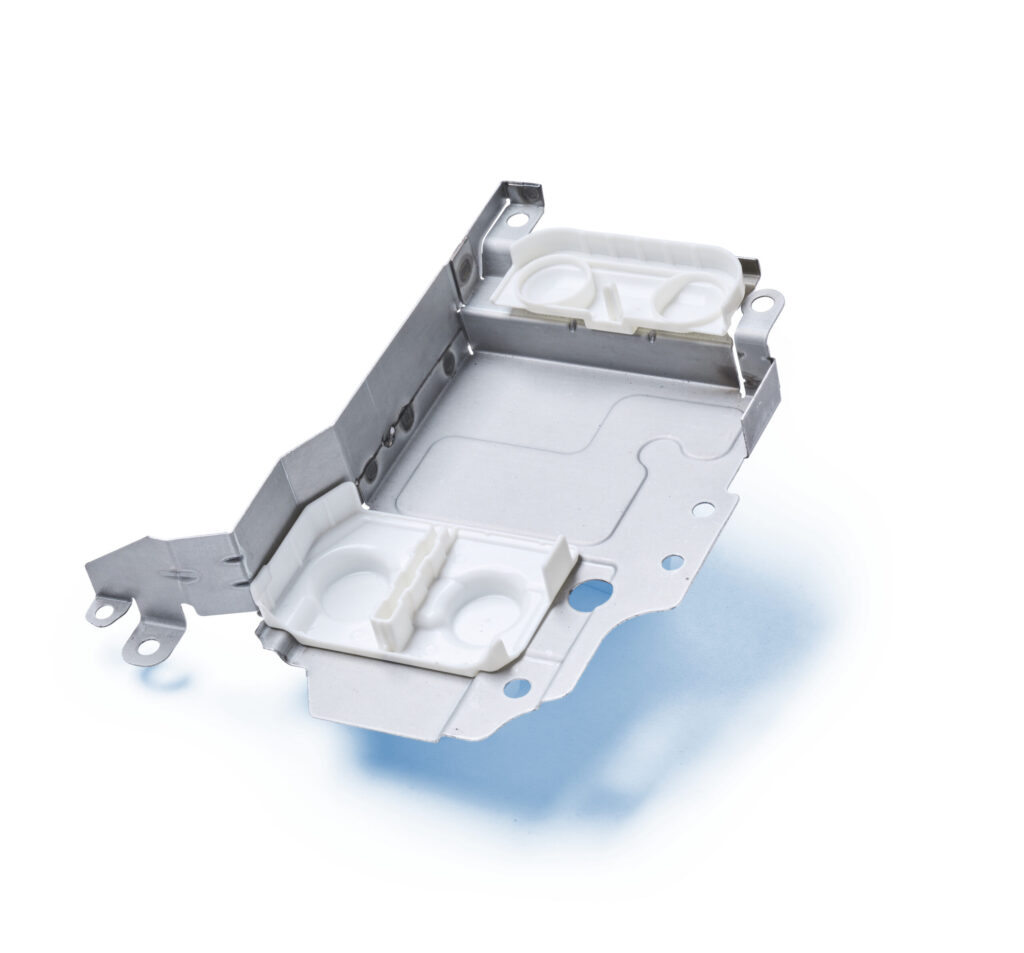
Protective panel / cover panel (sheet metal bending)
Precisely fitted bent protective panel for covering and integrating technical components – manufactured for machines, housings and industrial applications.
-
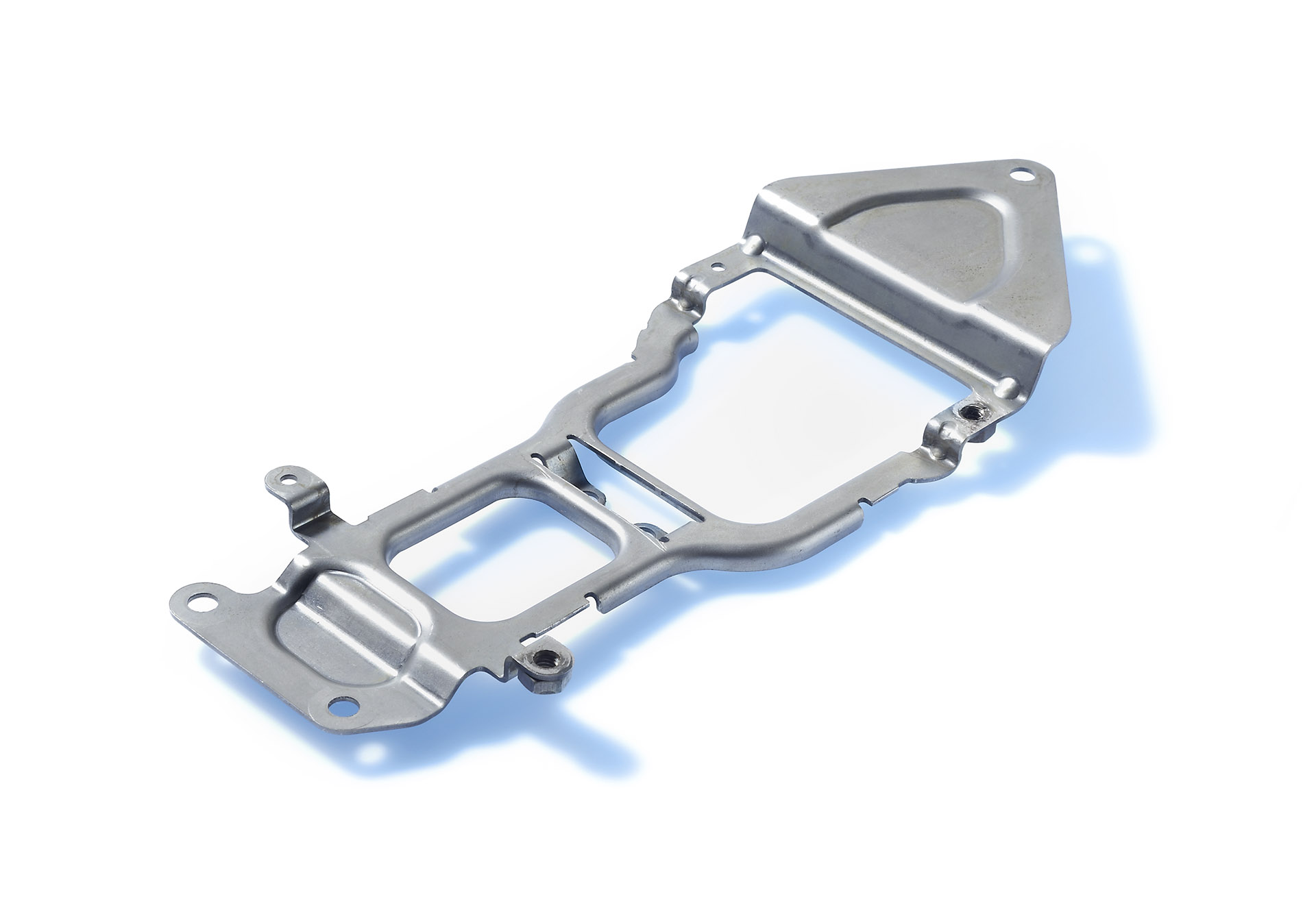
Sheet metal mounting bracket (CNC press braking)
Robust mounting bracket with precise bends for load-bearing manufacturings – produced cost-effectively for mechanical engineering, vehicle technology and industrial applications.
-
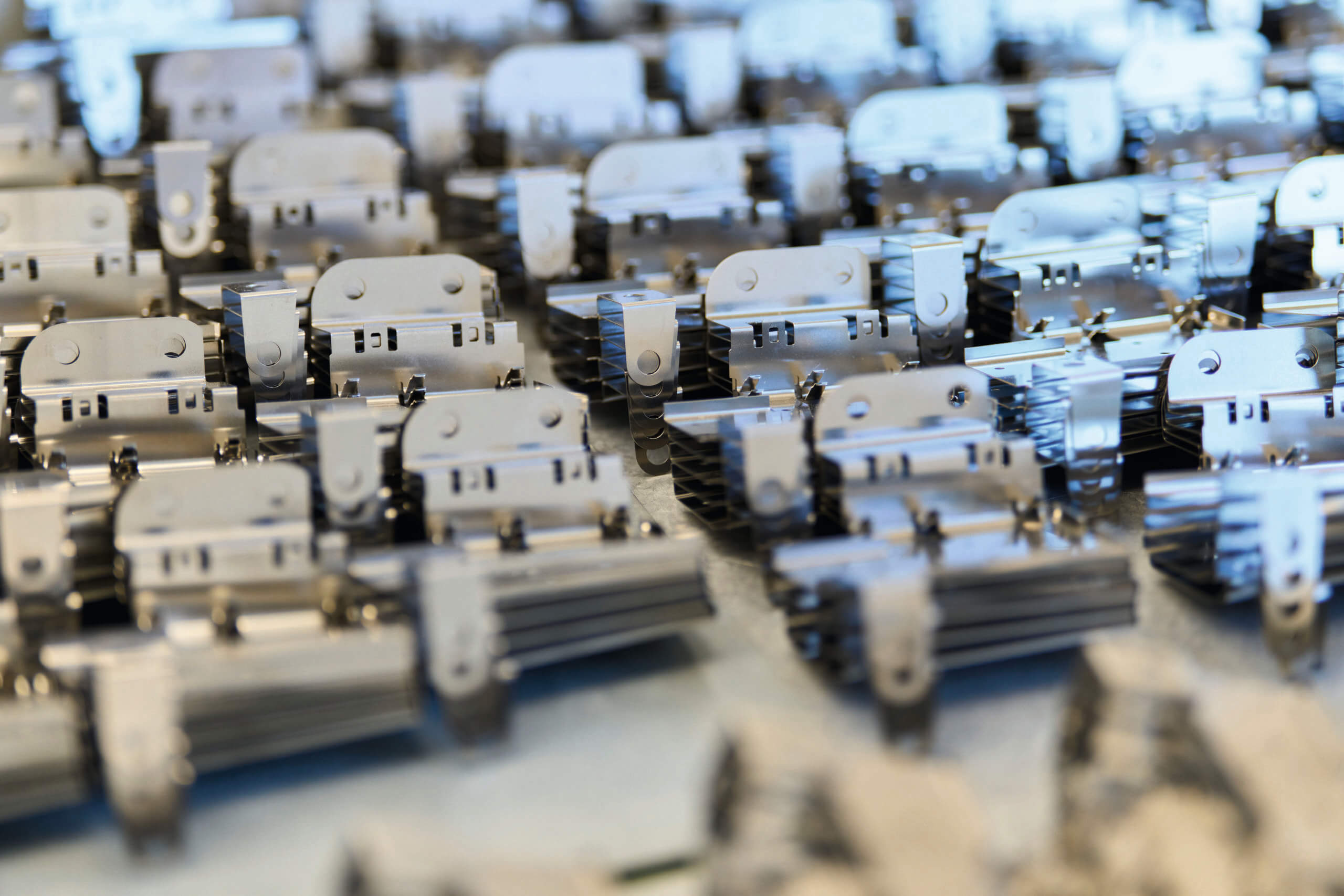
Sheet metal mounting angle (CNC bending)
Precisely fitted bent protective panel for covering and integrating technical components – manufactured for machines, housings and industrial applications.
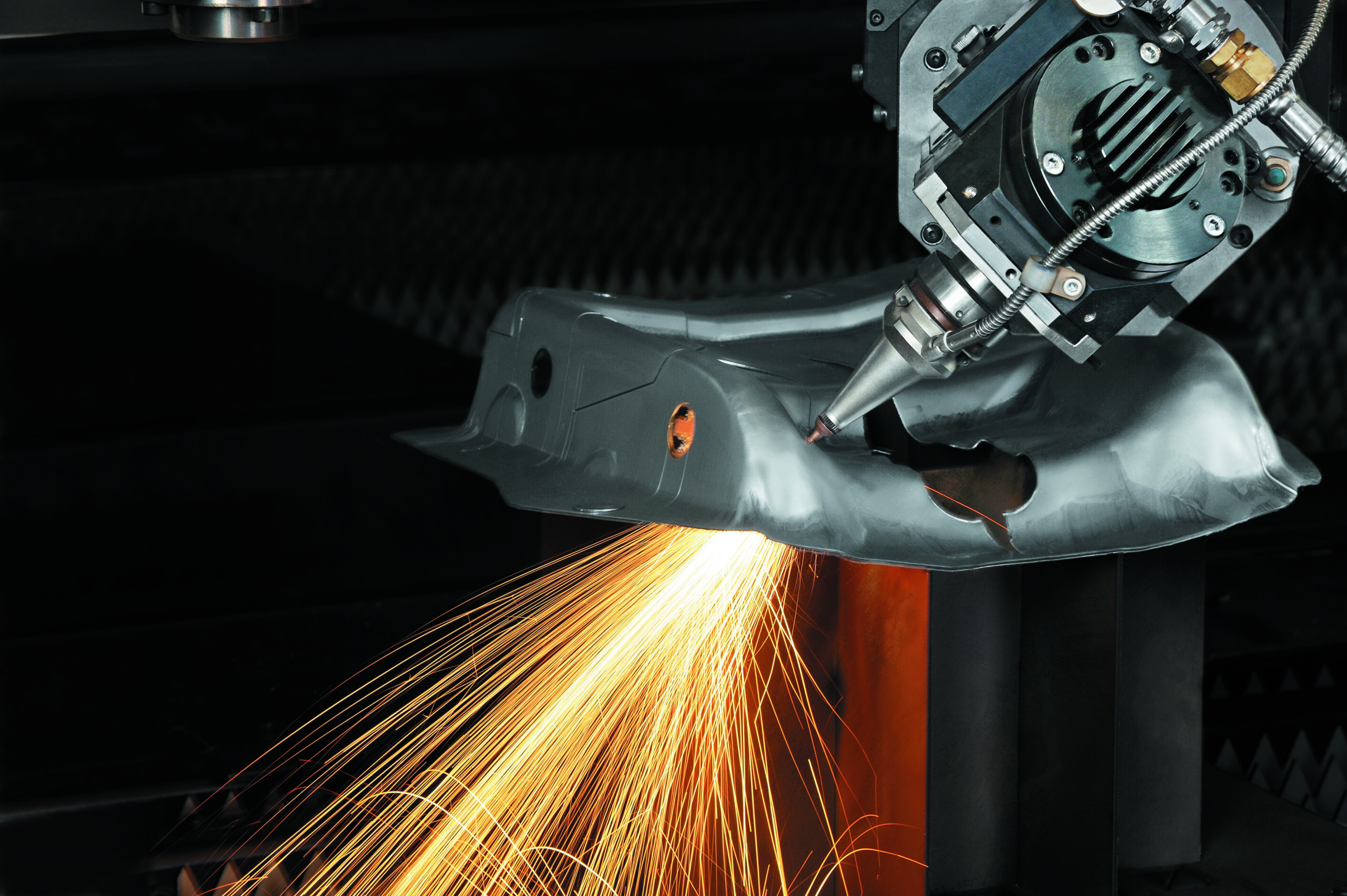
Further manufacturing processes at all-forming – everything from a single source
In addition to sheet metal bending, all-forming offers a comprehensive range of sheet metal processing, CNC manufacturing and assembly manufacturing.





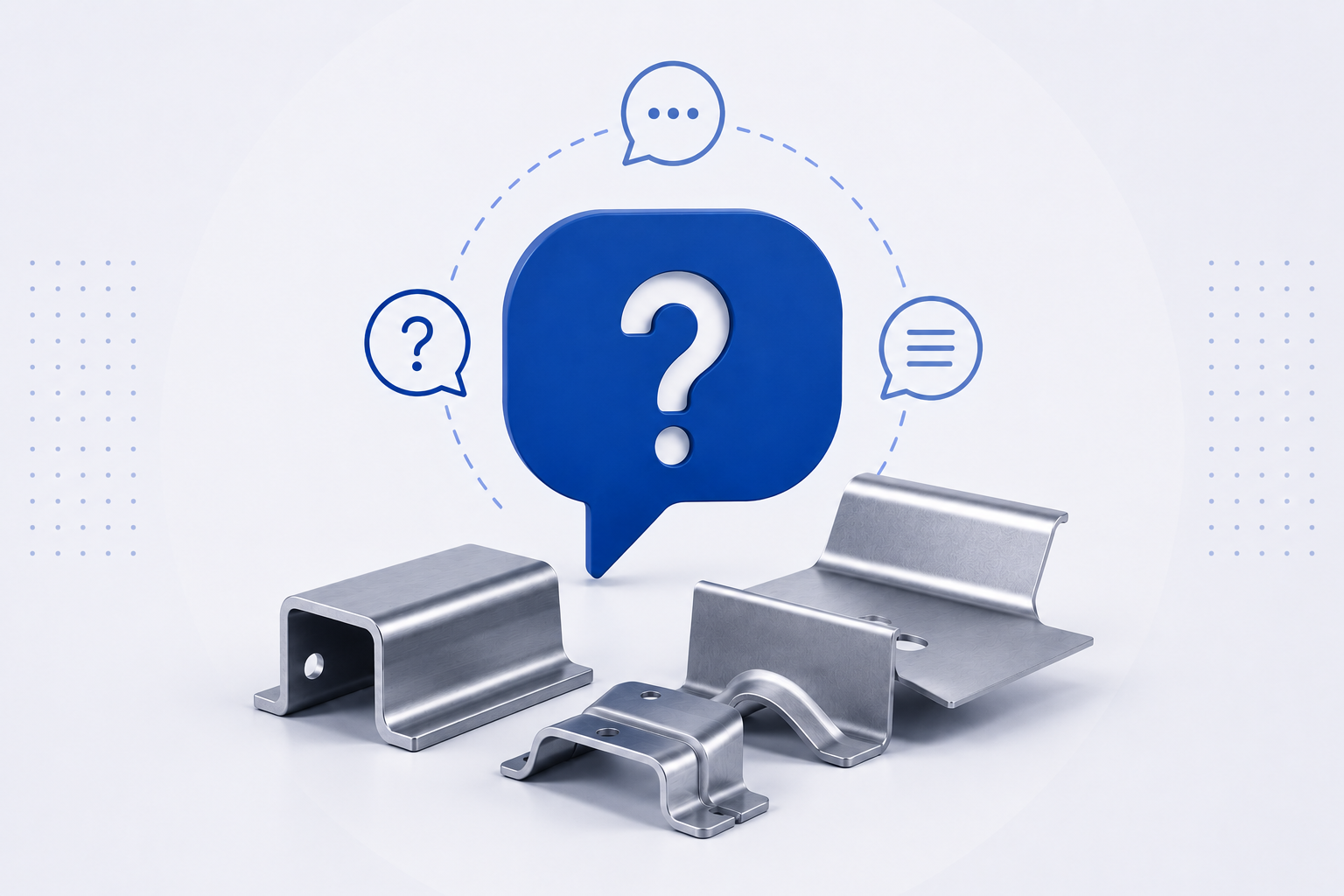
Frequently asked questions about sheet metal bending at all-forming (FAQ)
What is meant by sheet metal bending?
Sheet metal bending (CNC press braking) is a forming process in sheet metal processing in which flat metal sheets are bent into defined angles and geometries using a CNC press brake. It is used to manufacture housings, profiles and functional components.
Is a special tool required for sheet metal bending?
Standardised press-braking tools are used for CNC sheet metal bending, not individual special tools. This eliminates high tooling costs and allows changes to be implemented quickly and flexibly.
What is swivel bending in sheet metal processing?
The difference lies in the movement: during bending (press braking/die bending), the sheet is pressed into a die by a linearly moving punch. During swivel bending, the sheet remains clamped and is formed by a rotating bending beam.
What advantages does swivel bending offer?
Swivel bending enables particularly material-friendly processing with a low risk of surface damage, as the tool is not pulled across the sheet. The defined movement of the bending beam produces precise angles regardless of minor material tolerances. The use of universal tools also reduces setup time, while wear is lower due to the gentle bending movement.
What advantages does bending (press braking/die bending) offer?
Bending is convincing due to its high flexibility and is suitable for a wide range of bending tasks – from simple angles to complex profiles and the processing of thick sheets. The high pressing force enables the forming of robust materials. A wide selection of punches and dies allows special geometries such as S- or Z-profiles to be manufactured.
What tolerances are possible when bending sheet metal?
The achievable tolerances are typically in the range of ±0.1 mm to ±0.3 mm, depending on the material, geometry and bend length. Higher accuracies are possible with optimised component geometries.
Can further processing steps be carried out after bending?
Yes, at all-forming components can be processed further directly. This includes forming, CNC machining, welding, assembly manufacturing and coating, reducing interfaces and increasing quality assurance.
Which materials can all-forming bend?
For CNC sheet metal bending, all-forming processes steel, stainless steel, aluminium, copper and copper alloys. Depending on the material, sheet thicknesses of approximately 0.1 mm to 6 mm are possible.
How fast are all-forming’s delivery times for sheet metal bending?
Thanks to high vertical integration and direct CAD implementation, very short delivery times of just a few days are possible. The exact duration depends on complexity, material and quantity.
For which applications is sheet metal bending used?
Sheet metal bending is used for housings, brackets, machine covers, electronic housings and assemblies in mechanical engineering, aerospace, electrical engineering, medical technology and automotive applications.
What is the difference between sheet metal forming and CNC machining?
Sheet metal forming changes the material through plastic deformation without removing material, while CNC machining removes material by cutting. Both processes are often used in combination.
What does sheet metal bending cost?
The cost of having sheet metal bent depends on the component geometry, material and quantity. Prototypes and small batches can be manufactured cost-effectively by all-forming without tooling costs.
How can parts be ordered from all-forming, and what does the process involve?
The ordering process at all-forming is simple and efficient – with personal support from the outset:
- From this point on, all-forming takes over the entire manufacturing process – from planning to on-time delivery.
- You send us your CAD data (e.g. STEP, DXF) or a technical drawing with all specific requirements (material, coating, quantity).
- You will receive a non-binding quotation from your personal contact within a very short time.
- After placing your order, you will receive an order confirmation with all relevant details.

