

Sheet metal forming for demanding component geometries
Sheet metal forming comprises various processes in which flat sheets are transformed into three-dimensional components through plastic deformation. Deep drawing is an important process for complex geometries.
all-forming manufactures formed parts, deep-drawn parts and complex sheet metal components for various industrial applications and quantities.
In-house toolmaking, internal production and the combination of various machining technologies enable even demanding geometries to be implemented efficiently and precisely.
Materials: Steel, stainless steel, aluminium, copper and other non-ferrous metals
Material thickness: 0.1 to 6 mm
Surface treatment: according to customer requirements
Your partner for sheet metal forming and deep drawing
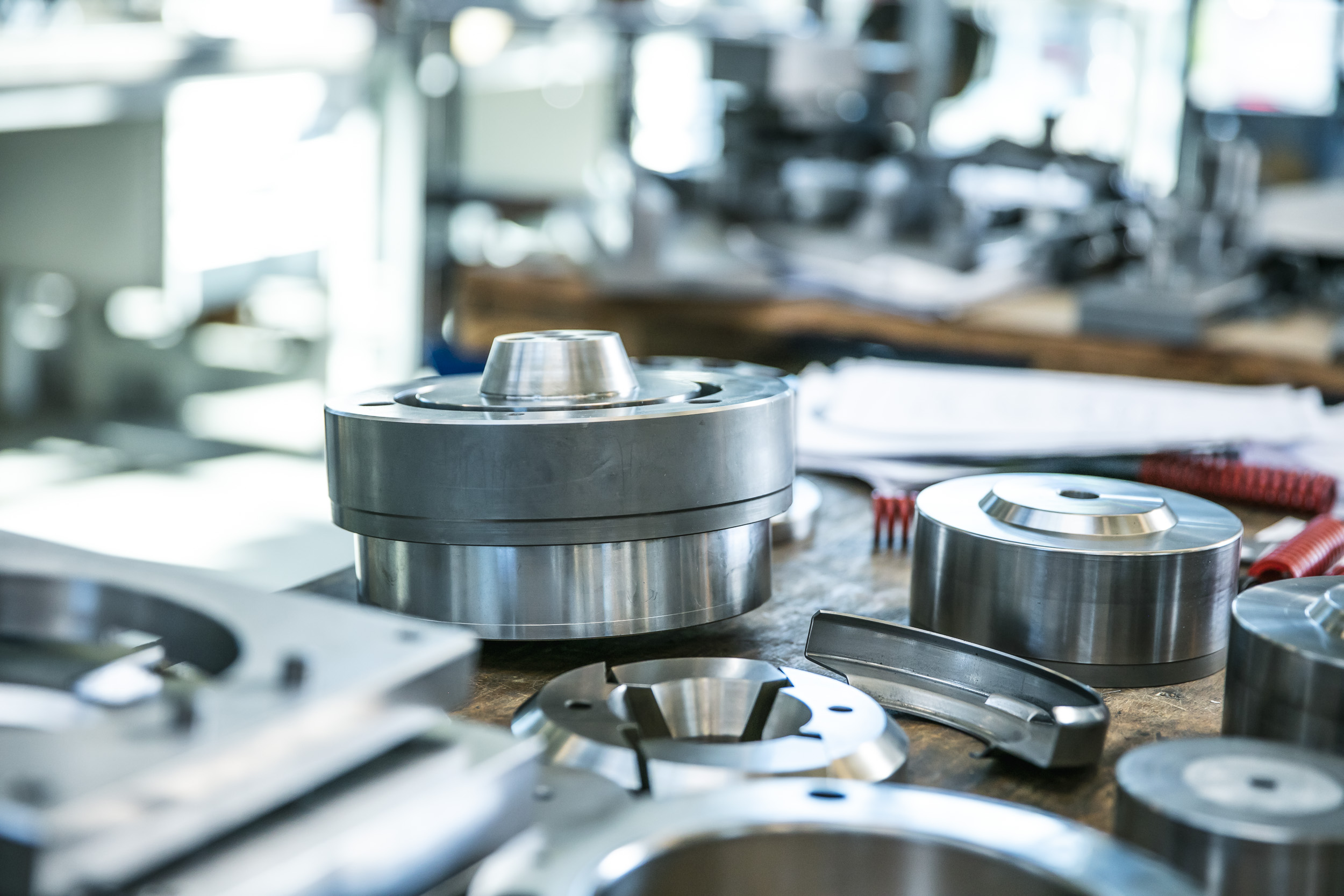
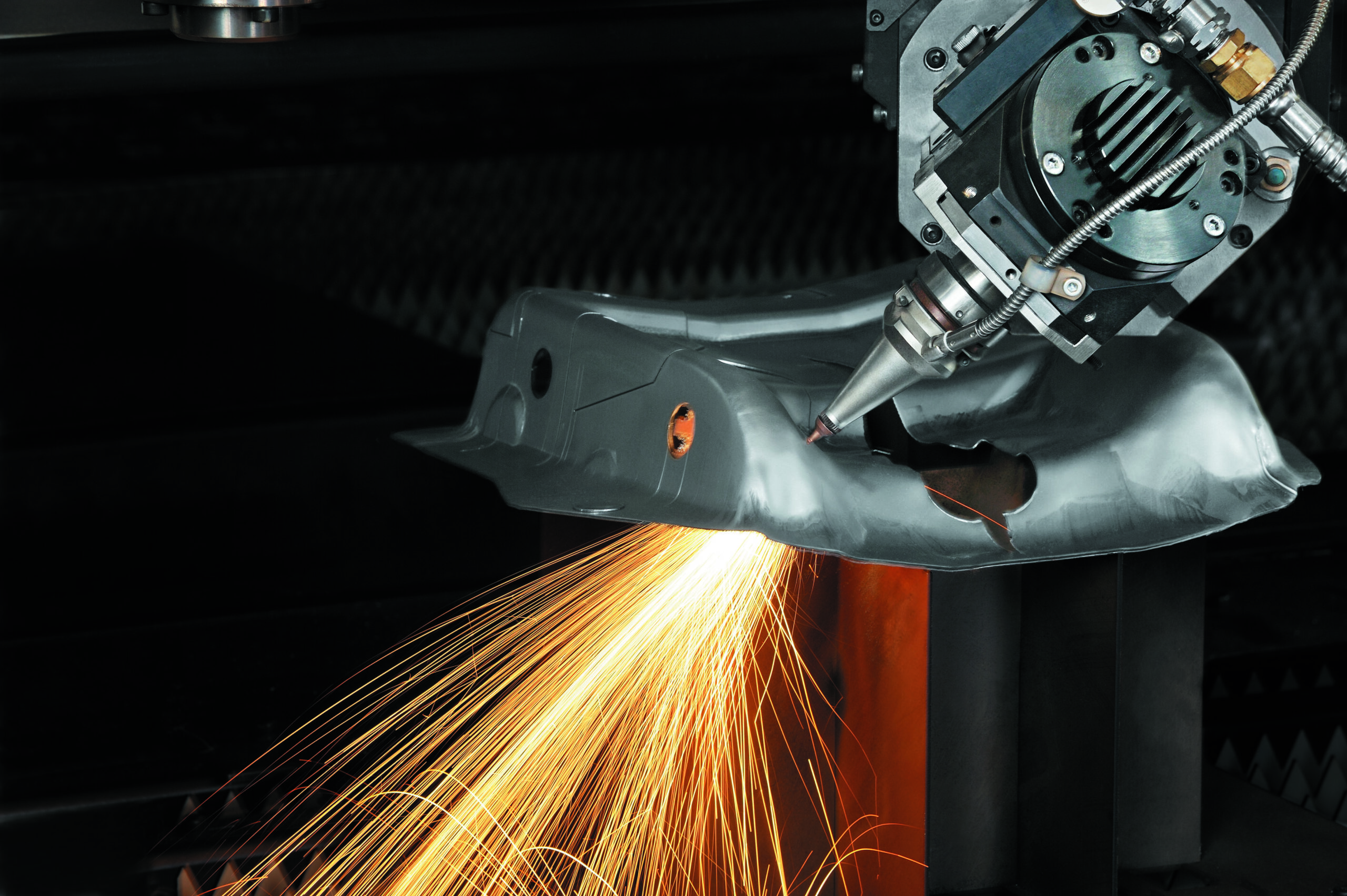
all-forming combines toolmaking, manufacturing and further processing steps into an integrated solution for demanding formed parts.
From tool design and forming through to further processing, various manufacturing steps can be coordinated internally.
Your benefits:
- In-house toolmaking
for deep-drawing and forming tools - High vertical integration
from tool manufacturing through to further processing - Complex geometries
even for demanding forming contours - Flexible production
for different components and quantities - Short delivery times
through in-house manufacturing and processing - Combined processing
with laser, CNC, welding and assembly - Personal support
from inquiry to finished component
Leading industrial companies trust our sheet metal forming









Selected projects & components from sheet metal forming
Our projects demonstrate the range of sheet metal forming – from simple formed parts to complex deep-drawn components with subsequent further processing.
- On-time implementation
- Precise forming
- Flexible quantities
-
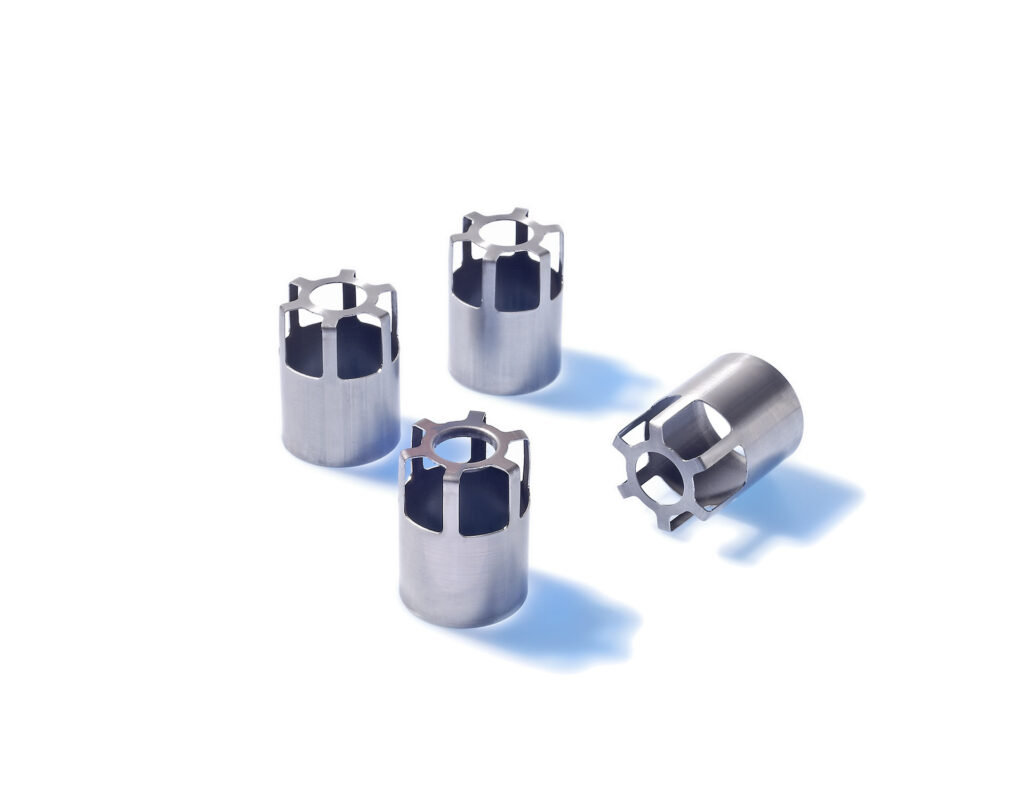
Deep-drawn housing
Deep-drawn metal housing with complex geometry – economically manufactured for prototypes and small series.
-
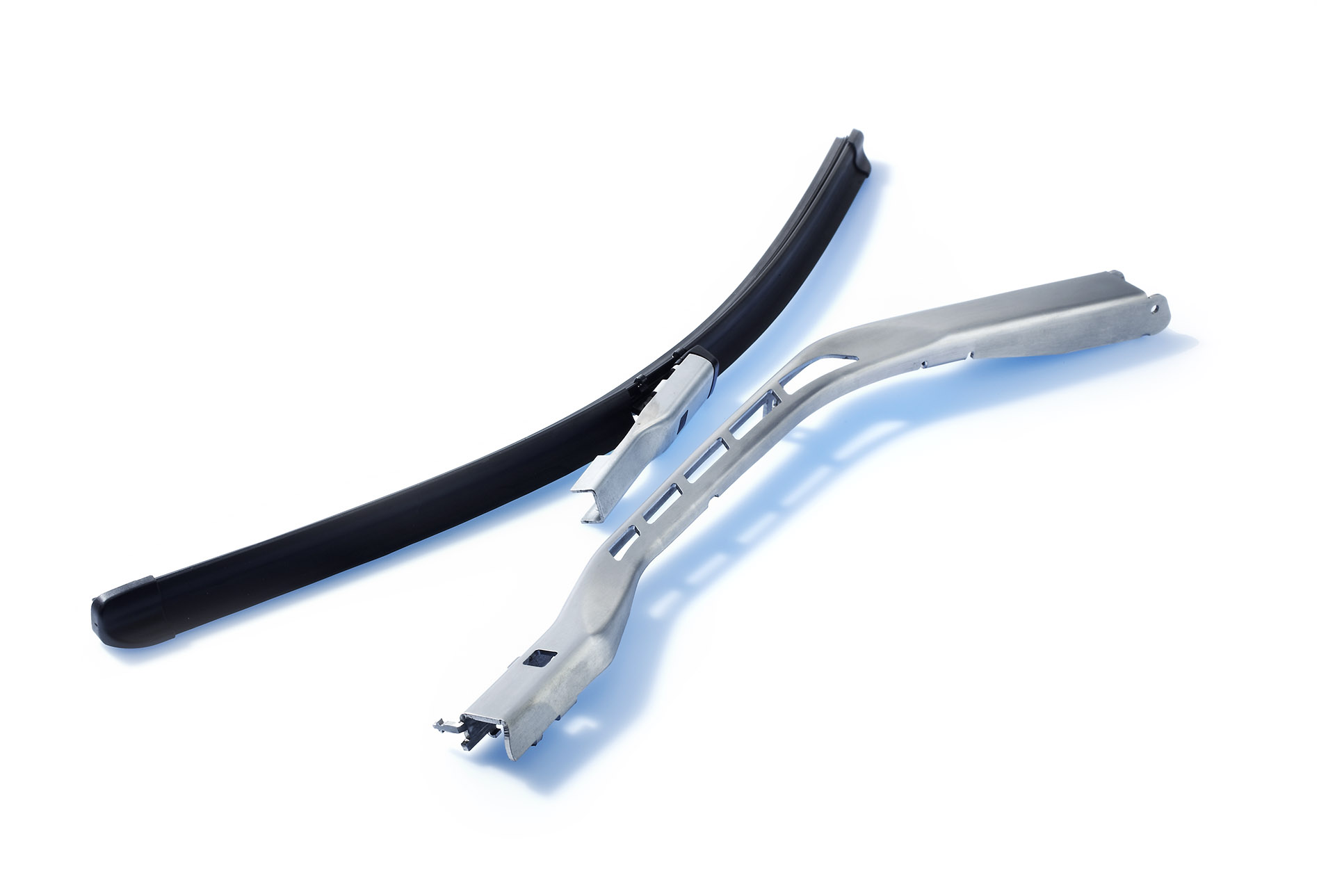
Articulated arm / wiper arm
Formed metal articulated arm for precise motion mechanics and highly load-bearing connections – manufactured using sheet metal forming and deep drawing for industrial applications.
-
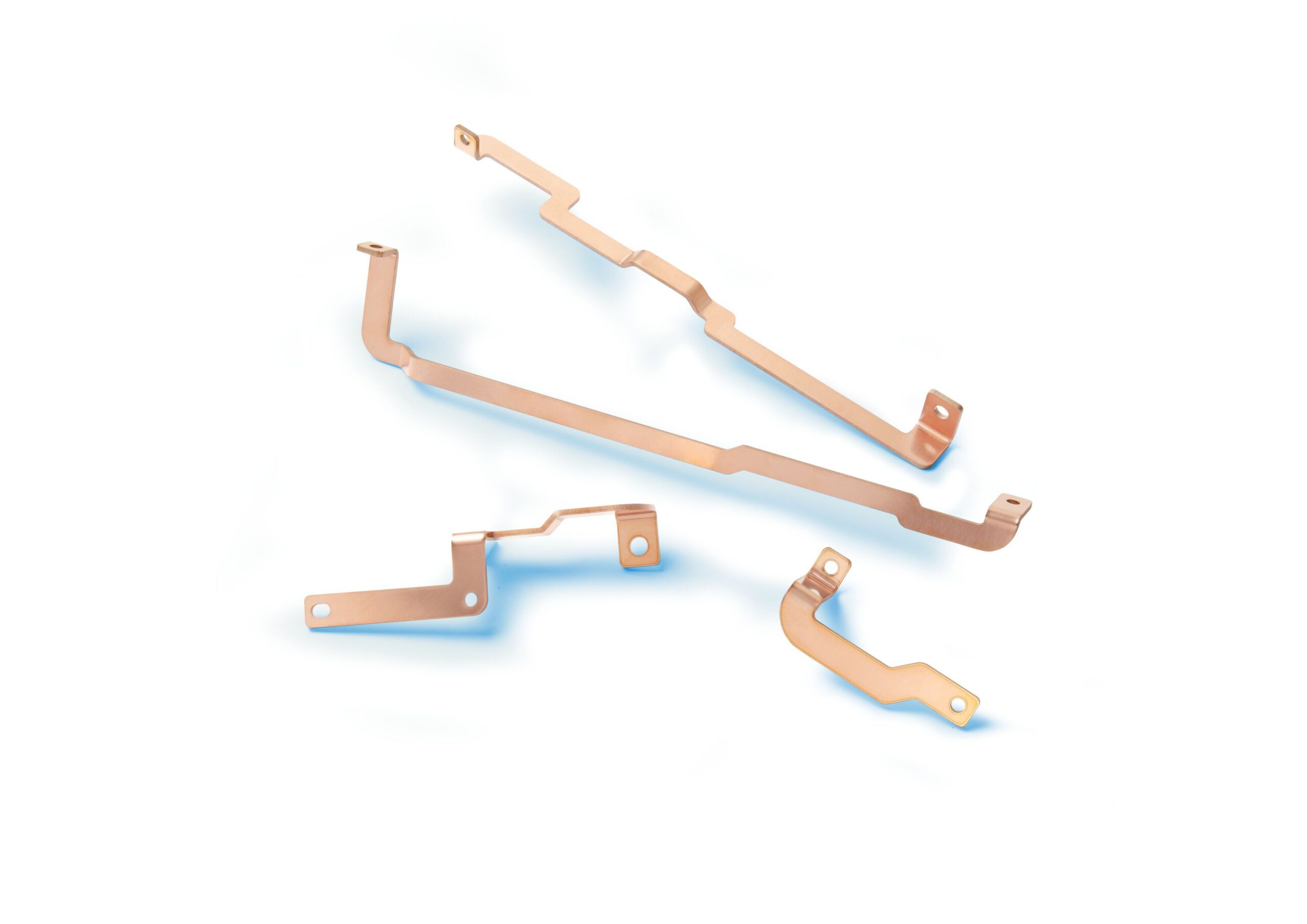
Busbar
Formed copper busbar with high electrical conductivity – used in e-mobility, battery technology and power electronics.
-
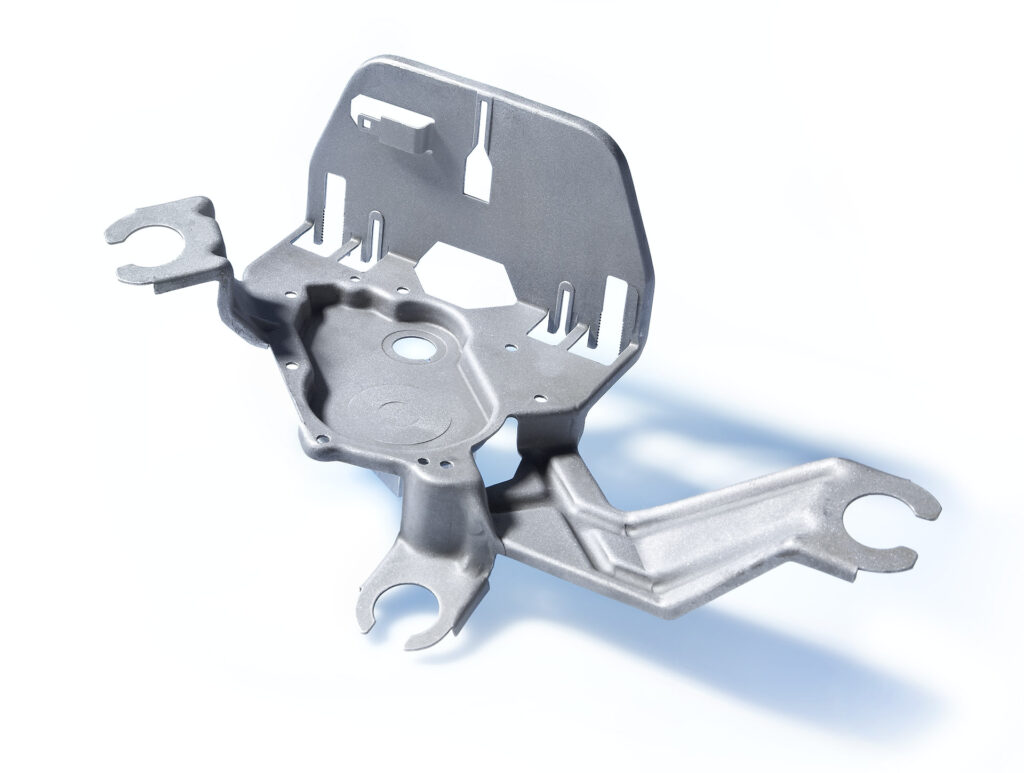
Sheet metal bracket / mount
Formed sheet metal bracket for stable fastening of components in assemblies – ideal for mechanical engineering, automotive and industrial applications.
-
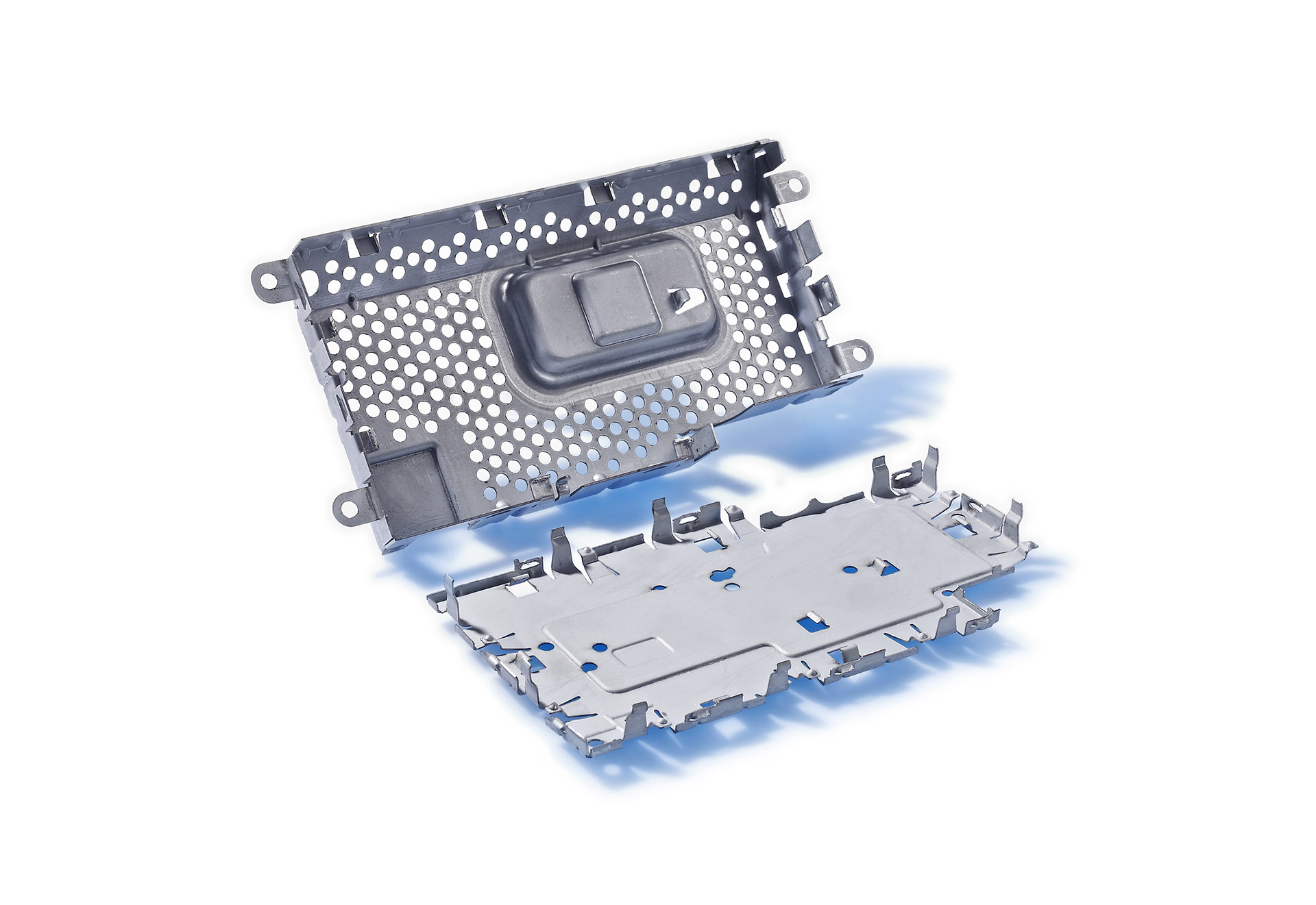
Sheet metal housing
Deep-drawn sheet metal housing for protecting sensitive components – precisely manufactured for electronics, mechanical engineering and industrial systems.
-
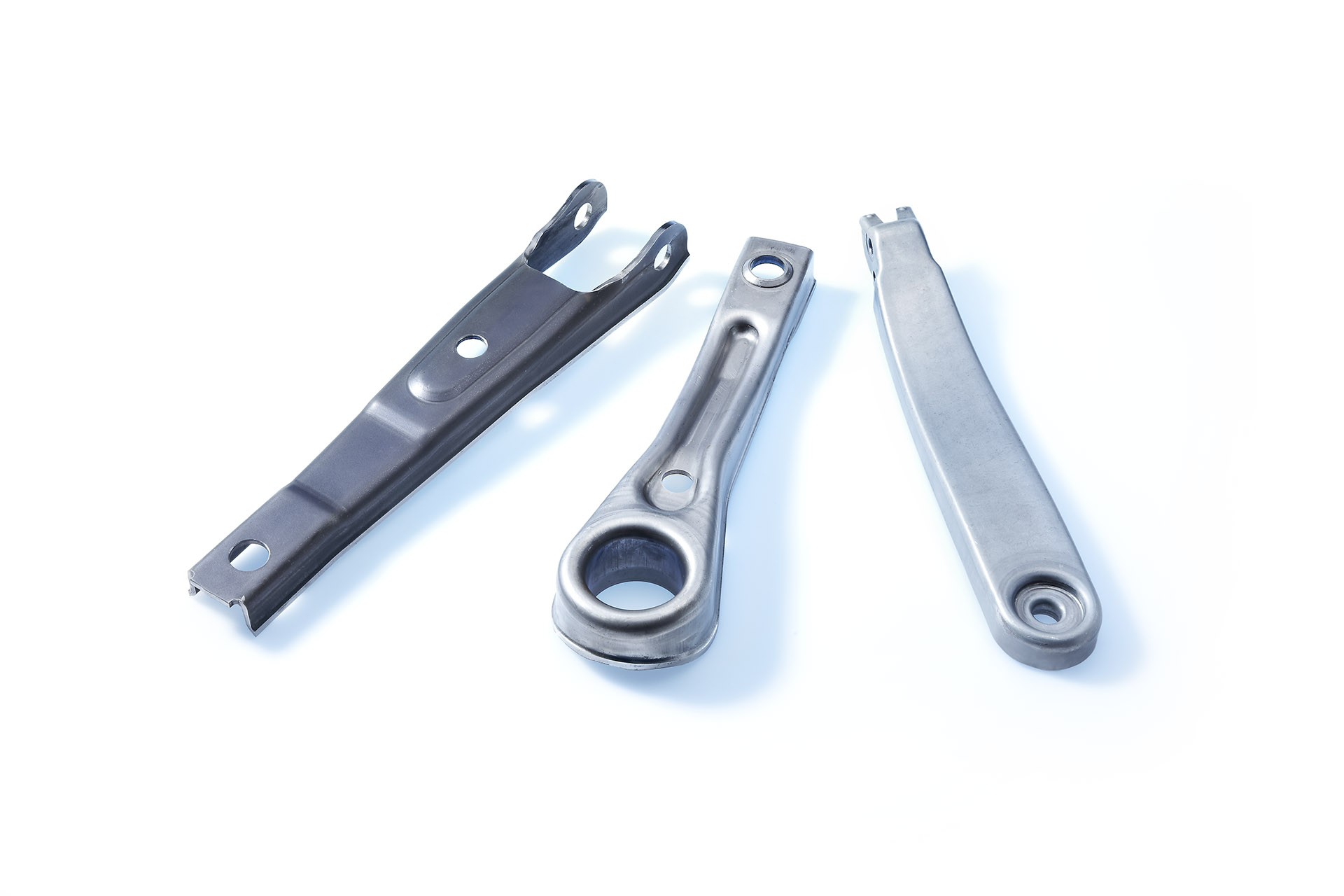
Steering knuckle
Complexly formed sheet metal steering knuckle for chassis applications – high stability combined with reduced weight through modern forming technology.
-
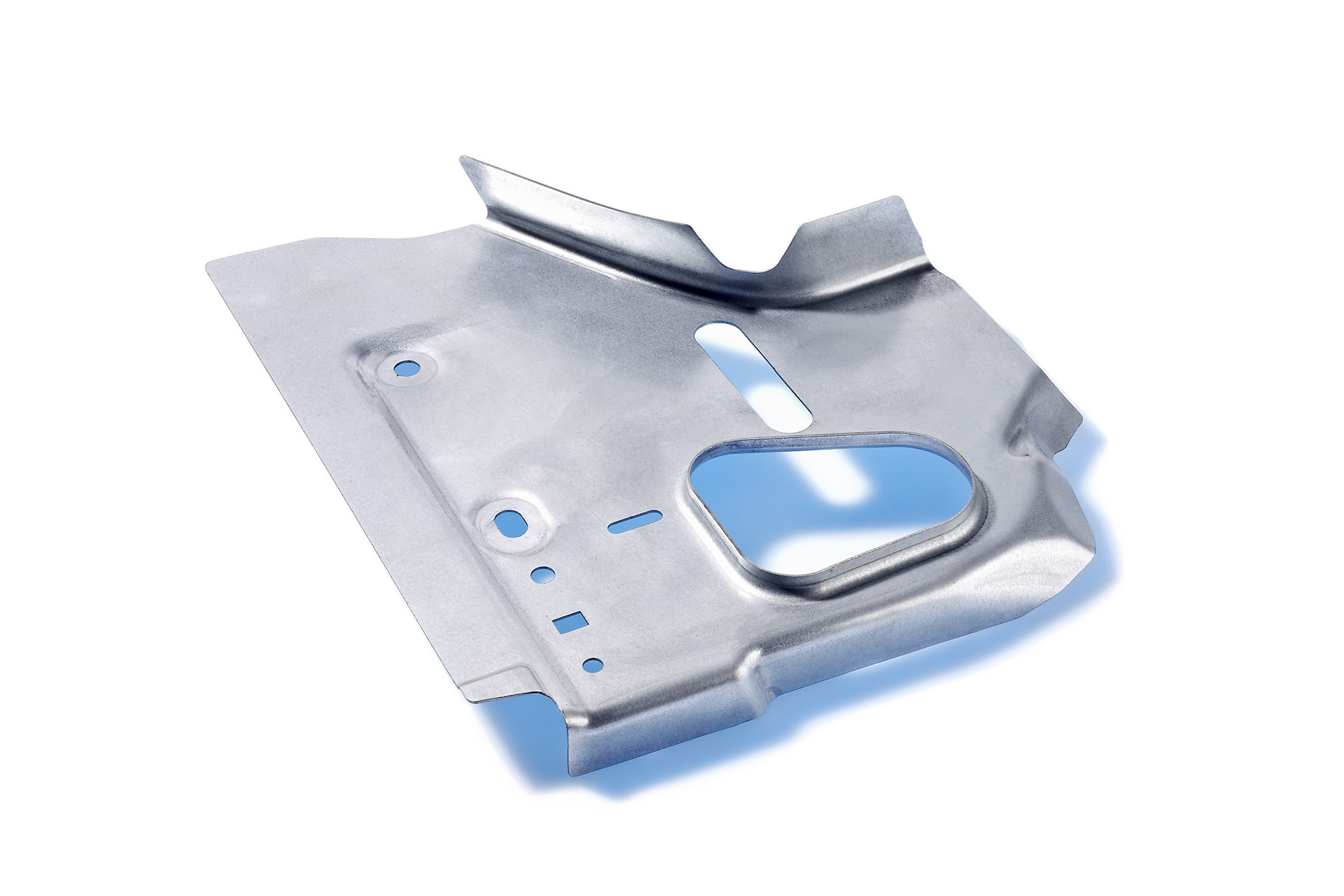
Shielding sheet (EMC)
Precisely formed shielding sheet for electromagnetic compatibility (EMC) – ideal for electronics and automotive applications.
-
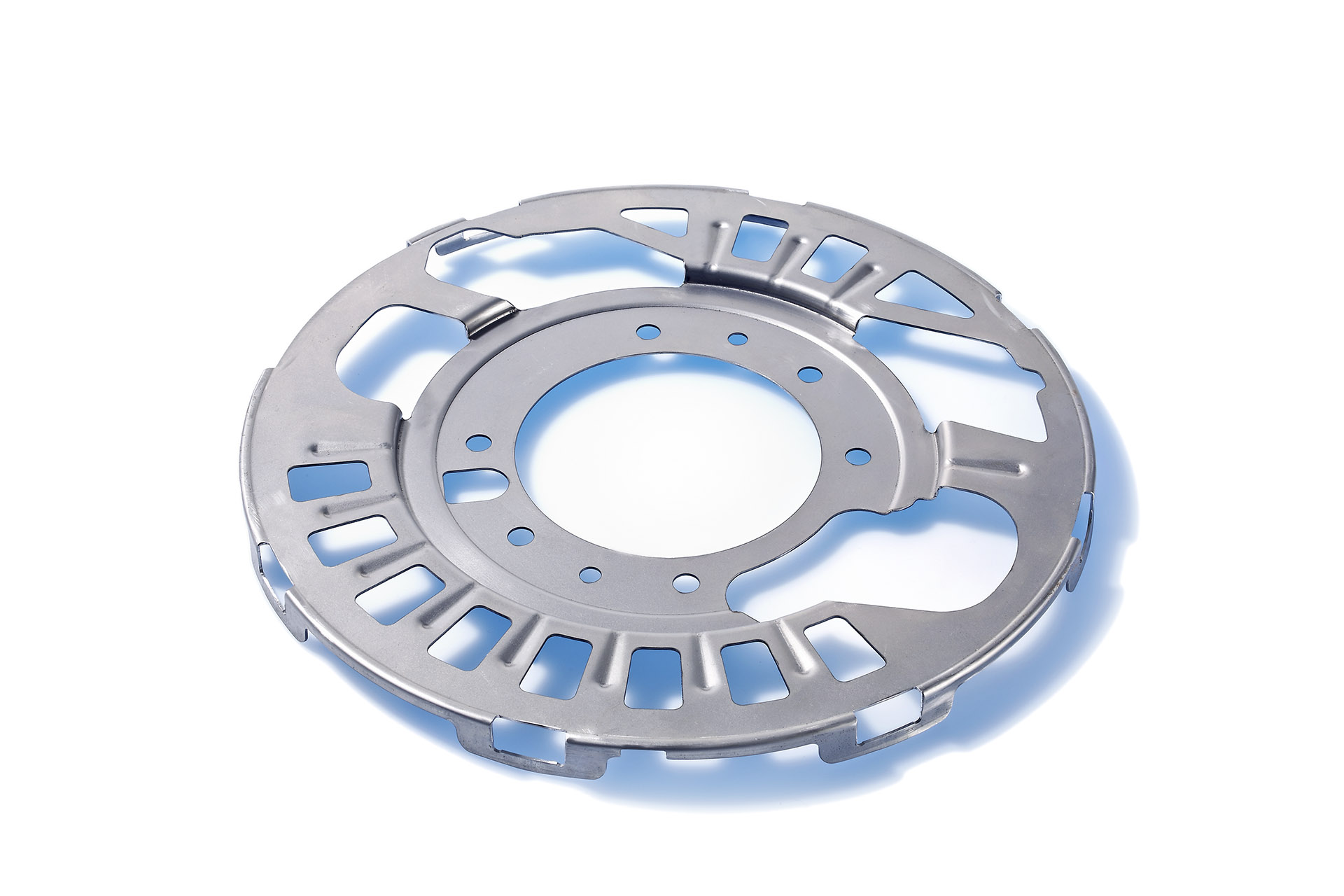
Closure plate / seal carrier
Formed sheet metal component for reliable sealing and assembly – high dimensional accuracy for industrial assemblies.
-
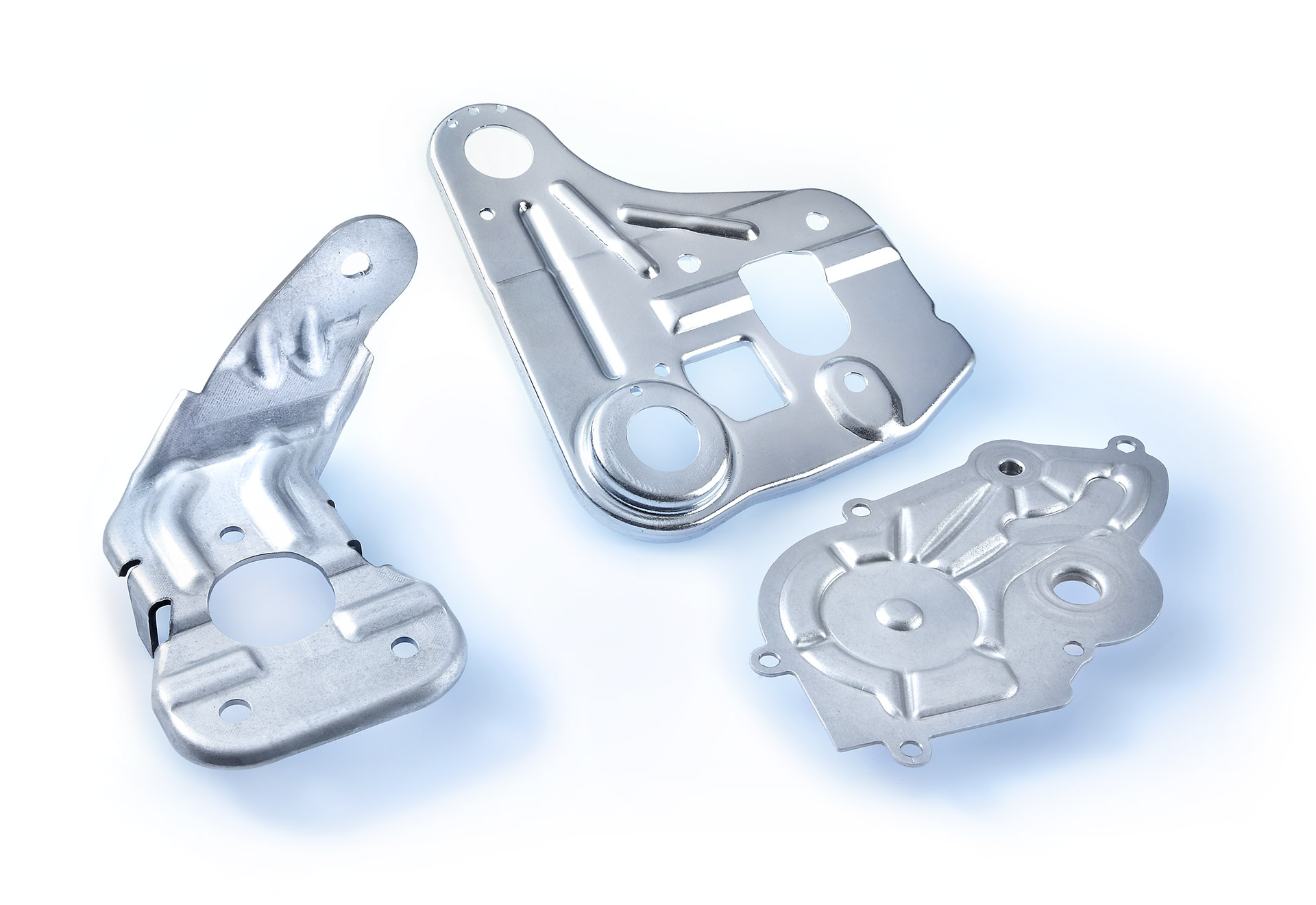
Cover plate
Robust metal cover plate for protecting and integrating components in technical applications.
-
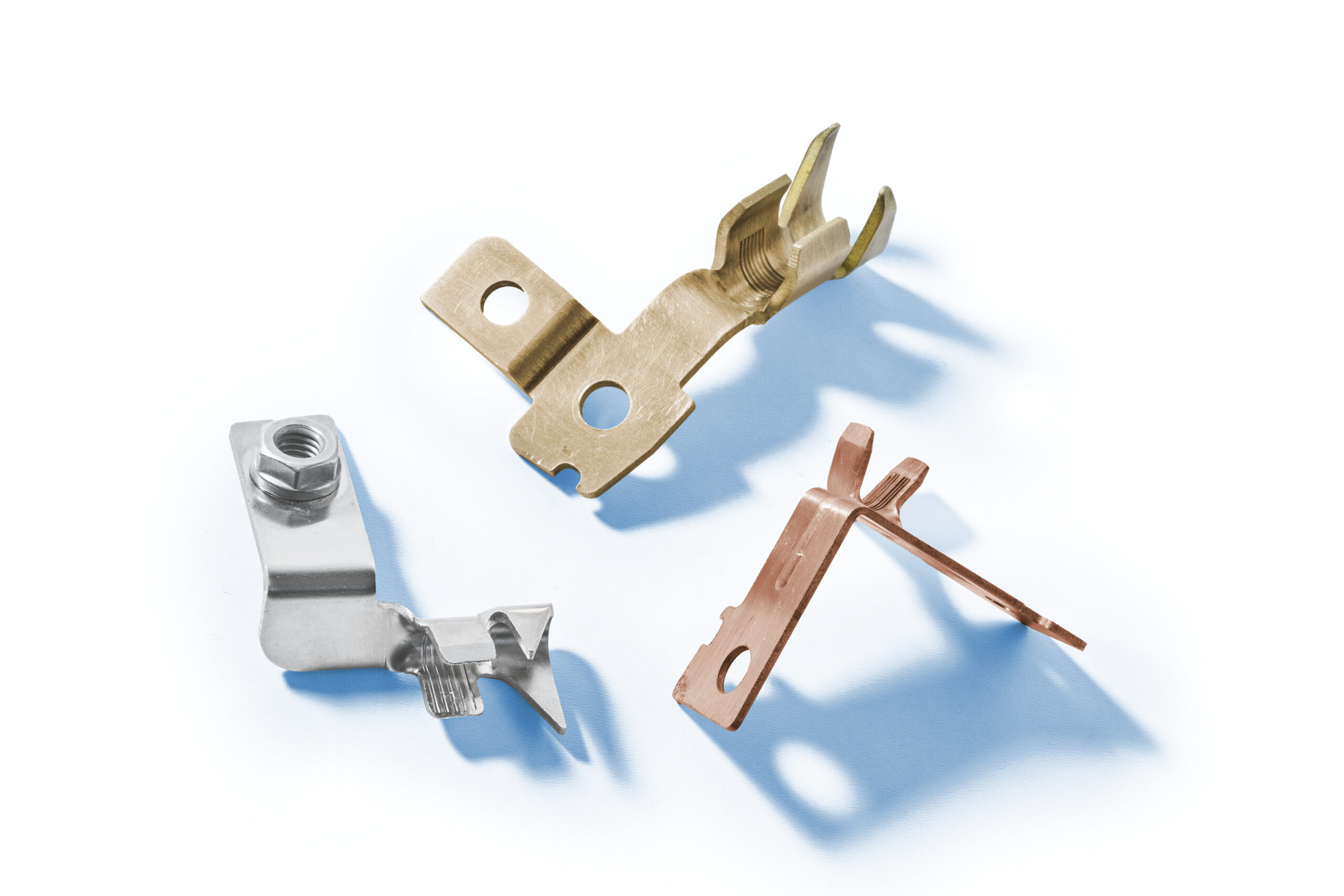
Cable lug / crimp connector
Formed cable lugs and crimp contacts for secure electrical connections – ideal for automotive and electrical engineering.
Further manufacturing processes at all-forming – everything from a single source
Neben der Blechumformung bietet all-forming ein umfassendes Spektrum an Blechbearbeitung, CNC-Fertigung und Baugruppenfertigung.






Frequently asked questions about sheet metal forming at all-forming (FAQ)
What is sheet metal forming?
Sheet metal forming refers to manufacturing processes in which flat sheets are shaped into a three-dimensional geometry through plastic deformation. These include bending, embossing, deep drawing and other forming processes.
What is deep drawing?
In deep drawing, a flat sheet is formed into a three-dimensional shape using a tool. The process is particularly suitable for rotationally symmetrical or complex deep-drawn components.
When is deep drawing useful?
Deep drawing is particularly suitable for components with three-dimensional geometries, high stability requirements and a desired reproducible shape. Whether deep drawing, CNC machining (milling & turning) or another process is more economical depends on the geometry, material and quantity.
Which materials can be formed?
all-forming processes, among others, steel, stainless steel, aluminium, copper and other non-ferrous metals. The possible material thickness depends on the material, component and forming process.
Can formed components undergo further processing afterwards?
Yes. Formed components can subsequently undergo further processing, for example by 3D laser cutting, CNC machining (milling & turning), welding or assembly.
Which tools are required for sheet metal forming?
Depending on the component, different forming, embossing or deep-drawing tools are used. With its in-house toolmaking, all-forming can manufacture tools and fixtures internally and adapt them to the respective application.
Is sheet metal forming also suitable for small quantities?
Yes. Depending on the geometry, tooling effort and quantity, smaller volumes can also be produced economically. Component geometry and anticipated demand are particularly decisive for the appropriate manufacturing strategy.
How fast are all-forming delivery times for sheet metal forming?
Thanks to in-house CAD design, toolmaking and manufacturing, delivery times ranging from a few days to several weeks are possible, depending on complexity and quantity.
What is the difference between sheet metal forming and CNC machining?
Sheet metal forming changes the material through plastic deformation without removing material, while CNC machining removes material by cutting. Both processes are often used in combination.
What does a deep-drawn part cost?
The costs depend, among other things, on the material, component geometry, quantity, tooling effort and further processing steps. After reviewing the technical documents, all-forming can determine the suitable manufacturing process and prepare an individual quotation.
How can parts be ordered from all-forming, and what does the process involve?
The ordering process at all-forming is simple and efficient – with personal support from the very beginning:
- From this point onward, all-forming takes over the entire manufacturing process – from planning through to on-time delivery.
- You send us your CAD data (e.g. STEP, DXF) or a technical drawing with all specific requirements (material, coating, quantity).
- Within a short time, you will receive a non-binding quotation from your personal contact.
- After you place your order, you will receive an order confirmation with all relevant details.

